
What Are the Traits and Care Tips for Skye Terriers?
The Skye Terrier is a distinctive, small-to-medium terrier breed with ancient roots in the Scottish Hebrides. Known for its long, flowing coat and dignified presence, this breed appeals to those seeking a loyal companion with a rich heritage and unique appearance. While the Skye Terrier has a history as a hardworking hunter, today it offers unwavering devotion as a pet for individuals or families ready to meet its needs.
Ideal for those who value a close canine bond, the Skye Terrier forms deep connections with its owners and is best suited to homes that can offer consistent companionship and thoughtful care. Its reserved nature with strangers and elegant movement set it apart from other terriers, making it a fascinating choice for dedicated owners, whether in the city or countryside.
- Overview of the Skye Terrier
- Key Characteristics
- Appearance of the Skye Terrier
- Temperament & Behavior
- Care & Living Needs
- Health & Common Issues
- Official Breed Standard Summary
- Frequently Asked Questions
Group: Terrier
Size: Small-Medium
Exercise needs: Up to 1 hour per day
Coat length: Long
Grooming: More than once a week
Shedding: Yes
Lifespan: Over 12 years
Ideal home type: Small house
Town or country: Either
Garden needs: Small/ medium garden
Overview of the Skye Terrier
The Skye Terrier traces its lineage back to the Hebrides, where it was among the earliest terriers developed for hard work in the Scottish countryside. Its story is woven into history, with references found in 16th-century literature describing its strong hunting abilities. Originally bred to hunt foxes and badgers, the Skye Terrier combined boldness with a keen sense of loyalty—traits that made it invaluable to hunters and shepherds alike.
Legends around the breed abound, most famous being the tale of Greyfriars Bobby, a Skye Terrier who became known for his lifetime loyalty after his owner’s passing. The breed’s reputation for faithfulness also captured the attention of Queen Victoria, helping to spur its popularity beyond Scotland. Through selective breeding, today’s Skye Terrier is somewhat larger and more heavily coated than its ancestors, but the essence of its working heritage and steadfast companionship remains unchanged.
People who appreciate tradition, resilience, and a devoted dog will find the Skye Terrier a rewarding addition to their home. Whether living in town or country, this breed is adaptable, provided it can live closely alongside its family and receive the activity and grooming it requires.
Key Characteristics
- Energy level – Moderate; active when outdoors but content to relax indoors alongside its people.
- Trainability – Intelligent and responsive but may be independent; positive, consistent training works best.
- Intelligence – Quick-witted and sharp, well-suited to learning commands and problem-solving tasks.
- Prey drive – High; originally bred to hunt, so a strong instinct to chase small animals can be expected.
- Social needs – Loyal to one or a few people; forms tight bonds but may not seek out large social circles.
- Compatibility with families and children – Generally suitable for families, though supervision is best with younger children.
- Compatibility with other dogs – Can be selective; some Skye Terriers may prefer being the only dog in the home.
- Guarding or watchdog tendencies – Naturally wary of strangers, making an effective alert dog without being aggressive.
- Adaptability to city or country life – Adapts well to either setting if provided with daily exercise and mental stimulation.
- Best suited owner type – Owners willing to devote daily care, time, and attention, and who appreciate a loyal companion.
- Typical daily routine – Enjoys a structured routine with walks, play, grooming, and plenty of time with loved ones.
Appearance of the Skye Terrier
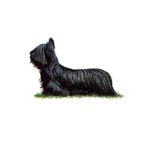
The Skye Terrier presents a striking silhouette, characterized by its long and low proportions. The body is about twice as long as it is tall, lending the breed an unmistakable outline that is at once elegant and powerful. Standing ideally around 10 inches at the shoulder and measuring about 41.5 inches from nose to tail tip, it retains a sturdy yet graceful structure, with bitches being slightly smaller in the same proportion.
Its coat is notably long, with a double-layer that includes a soft, dense undercoat and a hard, flat, straight outer layer free from curls. This luxurious coat drapes to the ground, forming flat sides and delicate feathering on the tail and ears. The hair on the head is softer, gently veiling the eyes and forehead while blending into side locks and forming a distinctive fringe that frames the face. Accepted colors include black, various shades of grey from dark to light and silver, fawn, and cream, always with black points on the ears and nose.
Distinct facial features contribute to the breed’s dignified look. The head is long and powerful with a slight stop, dark expressive eyes, and either prick or drop ears (both elegantly feathered). The strong jaws and level scissor bite give the Skye Terrier substance behind its refined appearance. Broad shoulders and short, muscular legs emphasize the breed’s working background, while feet— with forefeet notably larger than the hind—always point forward and are built for strength and endurance.
Temperament & Behavior
The Skye Terrier is renowned for its elegant and dignified temperament. Known as a “one-man” dog, it forms an intense, nearly legendary bond with its chosen person or family. Reserved and cautious around strangers, the breed is never naturally aggressive or vicious, but rather alert and protective, making it a natural watchdog within the home.
At home, the Skye Terrier embodies loyalty and devotion, often following its owner from room to room and displaying a sensitivity to household routines. Its deep-rooted history as a hunter means it is both courageous and confident, quick to investigate new sounds or changes in its environment. Socialization is important from an early age, as some may be wary or aloof with new visitors or pets.
The breed is intelligent and enjoys problem-solving, but its independent streak can appear as stubbornness without consistent, positive reinforcement. While their instinct for prey makes them less suitable for homes with small pets, they generally coexist well with children who respect their space and boundaries. They thrive best when they feel like an integral member of their family, taking comfort in a calm and structured environment.
With a centuries-old working heritage, the Skye Terrier brings spirit, adaptability, and fierce dedication to any home willing to offer genuine companionship and understanding. Their combination of toughness and tenderness is unique among terriers and makes them memorable companions for discerning dog lovers.
Care & Living Needs for the Skye Terrier
Daily exercise is important for the Skye Terrier, with about an hour of activity keeping them physically and mentally satisfied. A mix of walks, moderate playtime, and interactive activities taps into both their terrier energy and intelligence. Their adaptability suits life in a small house, whether nestled in a city or quieter rural setting, provided they have a small or medium garden for fresh air and exploration.
The Skye Terrier’s coat demands regular attention. Its long double layer should be brushed more than once a week to prevent tangles and mats, especially after outdoor activities where dirt and debris can accumulate. Expect some shedding throughout the year—a routine grooming schedule will help keep the coat in good condition and minimize hair around the home.
Mental stimulation is just as vital as physical exercise. Puzzle toys, basic obedience tasks, and controlled opportunities to track or hunt for treats satisfy the breed’s working instincts. Training should be gentle, consistent, and positive, emphasizing trust to balance its independent nature and reluctance to work blindly for strangers.
While versatile, the Skye Terrier is not ideal for anyone seeking a low-maintenance pet or an emotionally distant companion. Those with little time at home or an aversion to grooming may find this breed more challenging. Families should supervise young children during interactions and teach respectful handling to ensure a harmonious relationship.
Health & Common Issues
The Skye Terrier is generally a robust breed, with a lifespan commonly reaching over 12 years. Its historic development as a hardy hunter has given it a constitution well-suited to active living, provided its care needs are met. The breed’s low-set frame and long back, however, merit attention to activities involving jumping or excessive stairs, as with any elongated breed.
Routine veterinary care, maintaining a healthy weight, and a balanced diet all contribute to long-term wellness. The double coat protects in various climates but regular grooming helps avoid skin irritations that can come from neglect. Owners should monitor nails, teeth, and ears as part of their grooming routine.
No specific health predispositions are listed for the Skye Terrier in this guide, underscoring the general reliability of the breed when sourced from responsible breeders. As with any breed, maintaining regular checkups and observing for any changes in movement, eyes, or demeanor will support a long, active life.
Official Breed Standard Summary
The official breed standard for the Skye Terrier sets clear guidelines for ideal appearance, temperament, and function. The Skye is defined by its long, low outline, nearly twice as long as it is tall, with a level back and a coat that does not impede its free, effortless movement. Soundness in body and jaw is essential to preserve its working heritage and health.
Accepted colors include black, all shades of grey, fawn, cream, and silver, always accompanied by black points. The coat is double-layered—short and soft underneath, with a harsher, straight outer layer that lies flat and never curls. The feathering on the tail and ears adds elegance, with the head framed by a veil that does not obscure vision. Ears may be prick or drop, each with their distinctive feathering.
Judges and breeders are advised to avoid any features that would compromise the dog’s health or functionality, such as exaggerations in length or coat. Minor deviations from the standard are considered faults, their significance depending on the degree and impact on the dog’s welfare. The standard also notes that individual dogs may be larger or smaller than the guideline measurements; soundness and adherence to the breed’s historic qualities are emphasized above strict size requirements.
Frequently Asked Questions about the Skye Terrier
Is the Skye Terrier good for first-time dog owners?
The Skye Terrier can adapt to life with first-time owners who are committed to learning about its care and temperament. Consistent training, grooming, and close companionship are vital to develop a strong relationship.
How much exercise does a Skye Terrier need daily?
Skye Terriers typically need up to an hour of activity each day. Regular walks, playtime, and interactive mental activities help meet their physical and intellectual needs.
Is the Skye Terrier good with children?
The breed can be compatible with children, particularly if the children understand how to treat dogs gently and respectfully. Supervision is recommended to ensure positive interactions, especially with younger kids.
Can the Skye Terrier live in an apartment?
Skye Terriers can adapt well to apartment living provided they have regular outdoor exercise and enough mental enrichment. Their moderate energy level suits smaller living spaces as long as their social needs are met.
How much grooming does a Skye Terrier need?
The long coat of the Skye Terrier requires brushing more than once a week to avoid mats and tangles. Regular grooming is an ongoing part of care for this breed.
Are there common health concerns in this breed?
The Skye Terrier is generally a healthy breed when responsibly bred. Routine veterinary care, regular exercise, and attentive grooming contribute to their well-being throughout their typically long lifespan.


