
Small Munsterlander s – Breed Information, Traits & Complete Guide
The Small Munsterlander s is a versatile, energetic, and intelligent gundog, perfectly suited to active owners seeking a loyal companion with a strong working heritage. With a lineage rooted in early 20th-century breeding between the Large Munsterlander and various spaniels, these medium-sized dogs combine field prowess with the joy of a lively canine companion at home. Their adaptability makes them suitable for country living, especially for those who cherish time outdoors and want a dog eager to join in the adventure.
This breed thrives as both a working dog and an affectionate family member, often forming close bonds with all members of the household. The Small Munsterlander s brings together a love for activity, responsive trainability, and a generally amiable temperament. Owners who enjoy a dog that can keep pace with their busy lives—whether that’s country walks, dog sports, or a game of fetch in the yard—will appreciate the many qualities this breed offers.
- Overview of the Small Munsterlander s
- Key Characteristics
- Appearance of the Small Munsterlander s
- Temperament & Behavior
- Care & Living Needs
- Health & Common Issues
- Official Breed Standard Summary
- Frequently Asked Questions
Group: Gundog
Size: Medium
Exercise needs: Up to 1 hour per day
Coat length: Medium
Grooming: Once a week
Shedding: Yes
Lifespan: Over 10 years
Ideal home type: Small house
Town or country: Country
Garden needs: Small/ medium garden
Overview of the Small Munsterlander s
The Small Munsterlander s traces its heritage to the early 1900s, when breeders in Europe set out to create a more compact version of the Large Munsterlander by introducing spaniel bloodlines. The aim was to produce a gundog with a brown and white coat, maintaining the hunting talents of its larger predecessor while offering a manageable size for a variety of working environments. The breed quickly established itself as a versatile performer, excelling in both pointing and retrieving duties.
Owners looking for a capable sporting companion—or a dog that excels in active, outdoor lifestyles—will find a harmonious match in the Small Munsterlander s. This breed has a well-earned reputation for being attentive, eager to learn, and adaptable, both in the field and at home. Their combination of athleticism and affection makes them suitable for families as well as individual handlers seeking a reliable dog for countryside activities.
The Small Munsterlander’s versatility is at the heart of its enduring appeal. While their roots are firmly set in gundog tradition, today’s dogs are just as valued for their companionship and family-friendly attitudes. This breed thrives in homes where they can remain both mentally and physically stimulated, contributing their keen sense of purpose and energy to daily routines.
Key Characteristics
- Energy level – Naturally spirited and lively, this breed needs regular outlets for its high energy.
- Trainability – Responds well to consistent, positive training methods and enjoys engaging with owners during lessons.
- Intelligence – Highly intelligent, often picking up new commands and tasks with enthusiasm.
- Prey drive – Strong hunting and retrieving instincts, reflecting its gundog ancestry.
- Social needs – Bonds strongly with the family and usually appreciates the company of people and other dogs.
- Compatibility with families and children – Generally known for being friendly, gentle, and tolerant with children in responsible households.
- Compatibility with other dogs – Gets along well with canine companions, especially when introduced properly.
- Guarding or watchdog tendencies – While alert and quick to notice changes, they do not typically display territorial or aggressive traits.
- Adaptability to city or country life – Thrives in countryside settings with ample space, though can adapt to smaller homes if exercise is sufficient.
- Best suited owner type – Suited for active individuals or families committed to regular outdoor activity and mental stimulation for their dog.
- Typical daily routine – Enjoys periods of exercise, interactive play, training, and relaxed time with the family.
Appearance of the Small Munsterlander s
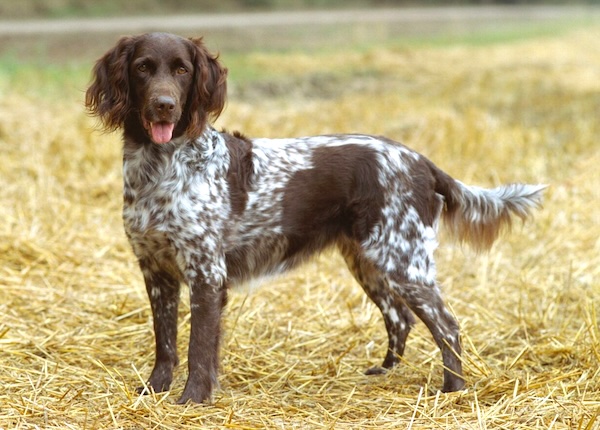
The Small Munsterlander s presents a medium-sized silhouette, with a build that balances agility and robustness. While the official breed standard leaves much of the structural description open, these dogs are typically well-proportioned, demonstrating the kind of athleticism required for their historic tasks in the field. Their presence conveys energy and grace, yet remains approachable and balanced.
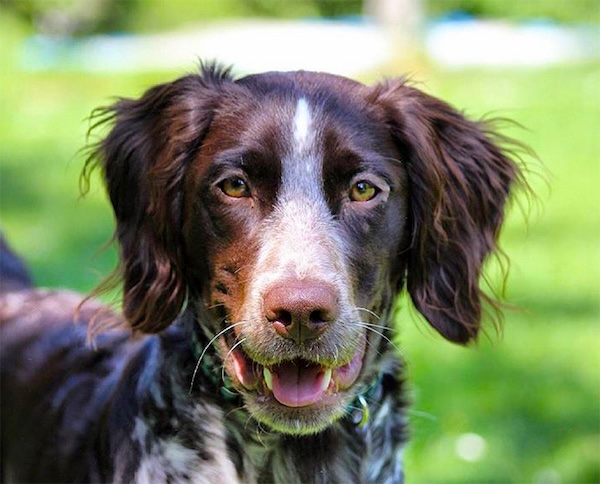
The characteristic coat of the Small Munsterlander s is of medium length, offering a luxurious yet practical layer suited for the outdoors. The coat sheds regularly, and its appearance is best described as sleek and slightly feathery, giving the dog an elegant look. The breed’s colors are distinctive—expect to see rich brown and white, or a brown roan combination. This patterning not only contributes to their visual appeal, but also hints at their hunting history.
Facial features are typically expressive, with gentle, observant eyes that reflect the breed’s intelligence. Ears may be moderately sized, and the overall head structure allows for an alert and friendly expression. The body is compact without being slight, with a strong back, athletic legs, and a well-furred tail that may reveal the dog’s mood. Altogether, the Small Munsterlander s strikes a balance between working function and attractive appearance.
Temperament & Behavior
The Small Munsterlander s is celebrated for its friendly, eager-to-please demeanor—traits that have made the breed a popular choice not just for hunters, but as a household companion as well. As part of the gundog group, these dogs are bred for teamwork, making them affectionate and attentive partners in both work and play. They usually form strong, positive bonds with their families.
In the home, this breed is typically known for being sociable and adaptable. While they have a natural drive for activity, they also love spending quiet moments with their people and pride themselves on being included in daily life. Their eagerness to learn and be involved makes them well-suited to owners who can commit time to structured play and gentle training sessions.
Interaction with other animals, including other dogs, is generally positive—especially when socialization starts at an early age. The Small Munsterlander’s roots as a cooperative worker translate into an outgoing yet polite approach to new friends. While they aren’t usually suspicious or aloof, socialization ensures their balanced, confident demeanor continues into adulthood.
For families, this breed’s temperament offers both patience and playfulness. While energetic, they are typically gentle with children and enjoy having a job or responsibility, even if it’s just joining in family walks or games in the yard. Their main challenges for owners lie in providing enough stimulation, exercise, and avoiding boredom-related behaviors common in intelligent, active breeds.
Care & Living Needs for the Small Munsterlander s
Exercise is a cornerstone of caring for a Small Munsterlander s. At least an hour of physical activity per day is ideal, which might include brisk walks, off-leash play in a securely fenced area, or participation in activities like scent work or fetch. Their country heritage makes them thrive best in rural environments, though they can adapt to smaller houses and gardens if their exercise needs are reliably met.
The ideal living space for this breed is a small house with access to a small or medium-sized garden. It’s important for owners to provide space for the dog to explore and play safely. While the breed is best suited for country living, motivated owners in more urban or suburban settings can keep a Small Munsterlander s comfortable and happy through intentional exercise and regular outings.
Grooming needs are relatively moderate. The medium-length coat should be brushed once a week to remove loose hair and help control shedding. This routine not only maintains their appearance but also offers an opportunity to check for any tangles or debris picked up outdoors. Regular grooming sessions can also be a bonding experience, helping the dog settle into family routines.
Mental stimulation is equally important—these dogs are intelligent and enjoy problem-solving, learning tricks, or working on scent-based games. Early obedience training is recommended, focusing on positive reinforcement. Households unable to provide consistent attention, activity, or companionship may find the breed’s needs challenging, as boredom can result in unwanted behaviors.
Health & Common Issues
The dataset does not specify particular health issues common to the Small Munsterlander s. Like many breeds with working backgrounds, these dogs generally benefit from an active lifestyle and routine veterinary care. Maintaining an appropriate weight, ensuring regular physical activity, and scheduling annual check-ups are important components of preventative health for this breed.
Because of their energetic nature, it’s wise to keep an eye on the dog’s joints and overall physical condition—avoiding over-exertion in puppies is recommended, as is providing a diet suitable for a medium-sized, active dog. Good dental hygiene and routine ear checks help avoid minor health complaints that can affect any breed with a slightly longer, feathered coat and ears.
For long life and ongoing vitality, consistent observation and a relationship with a trustworthy veterinarian are key. Owners who remain proactive with both exercise and healthcare can anticipate a rewarding companionship spanning many years.
Official Breed Standard Summary
The official breed standard emphasizes the Small Munsterlander s’ function as a versatile gundog with a medium-sized, athletic body. Balance, agility, and an appealing overall impression are hallmarks of the ideal dog. Standards recognize practical traits that allow the breed to perform in both pointing and retrieving tasks, while still making a suitable family companion.
Coat color is important, with brown and white or brown roan being the breed-standard colors. The medium-length coat is functional for a variety of outdoor conditions and should maintain a balance between weather resistance and easy maintenance. A healthy Small Munsterlander s will move fluidly and carry itself with confidence in its natural gait.
Size, proportions, and features such as a feathered tail, intelligent eyes, and proportionate ears all contribute to the visual identity of the breed. The standard does not prioritize exaggerated features, aiming instead for a harmonious, effective worker unlikely to display notable faults or structural weaknesses.
For prospective owners interested in breeding or showing, adherence to these guidelines helps preserve the traditional qualities of the Small Munsterlander s. The official breed standard supports versatility, functionality, and a classic, attractive appearance both in the field and at home.
Frequently Asked Questions about the Small Munsterlander s
Is the Small Munsterlander s good for first-time dog owners?
The Small Munsterlander s is intelligent and eager to please, but does best with owners who are ready to provide regular exercise and mental challenges. While manageable for dedicated beginners, a willingness to invest time in training and activity is essential.
How much exercise does a Small Munsterlander s need daily?
This breed thrives with up to one hour of solid exercise each day, preferably split into interactive walks, play, or training sessions. Consistent activity ensures the dog stays happy and healthy.
Is the Small Munsterlander s good with children?
Generally, yes. The breed is known for being gentle and friendly with children, especially when socialized early and supervised interaction is maintained. Their energetic nature matches well with active families.
Can the Small Munsterlander s live in an apartment?
While the breed can adapt to smaller living spaces with sufficient exercise, they are best suited to a house with a small or medium garden and plenty of opportunities for outdoor activity. Country settings are ideal for their energy levels.
How much grooming does a Small Munsterlander s need?
Routine brushing once a week keeps the medium-length coat healthy and controls shedding. They do not require professional grooming, but benefit from regular care at home.
Are there common health concerns in this breed?
No specific health issues are highlighted, but, as with all breeds, annual veterinary care and attention to exercise and diet help maintain long-term well-being. Active lifestyles usually suit this robust and hardy breed.


