
Spaniel (Welsh Springer) – Breed Information, Traits & Complete Guide
The Spaniel (Welsh Springer) stands out as a spirited, devoted companion with a legacy deeply rooted in Welsh history. Known for its rich red and white coat and cheerful disposition, this medium-sized gundog has endeared itself to sport enthusiasts and families alike. Active owners seeking a dog with both stamina and affection will find plenty to appreciate in the Welsh Springer’s blend of energy, intelligence, and loyalty.

This breed is especially suited to those who lead an outdoorsy lifestyle and have space for an athletic, people-oriented dog. Whether thriving as a working partner or integrating into family life, the Spaniel (Welsh Springer) impresses with its joyful nature, commitment to task, and strong bonds with its humans. For those interested in a canine companion that enjoys both field work and plenty of quality downtime, this breed is a compelling choice.
- Overview of the Spaniel (Welsh Springer)
- Key Characteristics
- Appearance of the Spaniel (Welsh Springer)
- Temperament & Behavior
- Care & Living Needs
- Health & Common Issues
- Official Breed Standard Summary
- Frequently Asked Questions
Group: Gundog
Size: Medium
Exercise needs: More than 2 hours per day
Coat length: Medium
Grooming: More than once a week
Shedding: Yes
Lifespan: Over 10 years
Ideal home type: Small house
Town or country: Either
Garden needs: Large garden
Overview of the Spaniel (Welsh Springer)
With origins tracing back to the Middle Ages, the Spaniel (Welsh Springer) has long played a vital role in the rural landscape of Wales. Early Welsh literature references red and white hunting spaniels, which collectively shaped this hardy, athletic breed. These dogs not only served as efficient hunting partners but also contributed to the development of other well-known spaniel varieties.
The Welsh Springer’s distinctive look, particularly its striking coloration, sets it apart from other spaniels. The breed remains exclusive to the rich red and white pattern, a hallmark of its lineage and tradition. Official recognition in the early 20th century highlighted its unique qualities and cemented its place among sporting breeds.
Owners who appreciate a dog capable of both hard work in the field and warmth within the home will be drawn to the Spaniel (Welsh Springer). This is a breed for active individuals or families with outdoor space, and those looking to nurture a bond with a companion ready for adventure.
Key Characteristics
- Energy level – The Welsh Springer Spaniel is highly active and thrives on ample daily exercise.
- Trainability – This breed learns quickly and is eager to please, making training sessions both enjoyable and effective.
- Intelligence – Known for its intelligence, the Welsh Springer adapts well to various tasks and environments.
- Prey drive – Bred as a hunting dog, it maintains a natural instinct to track and retrieve game.
- Social needs – Enjoys being part of a family and does best when included in daily activities and routines.
- Compatibility with families and children – Generally gentle and merry, making it a wonderful pet for households with children.
- Compatibility with other dogs – Typically sociable with other dogs, especially when socialized from an early age.
- Guarding or watchdog tendencies – Not naturally aggressive or overly suspicious; more likely to greet than guard.
- Adaptability to city or country life – While happiest with access to the countryside, it can adapt to town living with sufficient exercise.
- Best suited owner type – Active individuals or families who can meet its exercise and companionship needs.
- Typical daily routine – Requires long walks, interactive play, mental stimulation, and quality time with loved ones.
Appearance of the Spaniel (Welsh Springer)
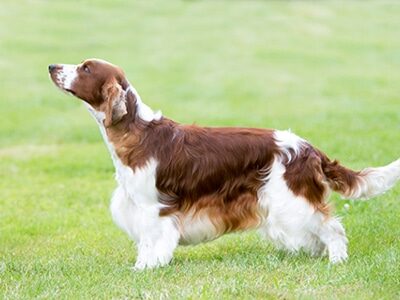
This breed presents as a balanced, medium-sized dog with a compact build designed for both endurance and agility. Its outline exudes symmetry and substance without heaviness. Welsh Springer males stand approximately 19 inches at the withers and females slightly less at about 18 inches, offering an athletic presence ideal for work and activity.
The head is well-proportioned with a slightly domed skull, a well-defined stop, and a straight, square muzzle. Eyes are of medium size, hazel or dark in color, conveying an alert yet gentle expression. Its ears are set moderately low, relatively small, and shaped like a vine leaf, gently tapering towards the tips and resting close to the cheeks.
The neck is long and muscled, blending smoothly into sloping shoulders. The body appears strong and compact, with a deep brisket and well-sprung ribs, and the back is neither overly long nor excessively short. Hindquarters are particularly powerful, allowing for the smooth, ground-covering movement for which this spaniel is known. Feet are round, cat-like, and firm, providing a sturdy base.
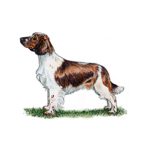
One of the most distinguishing features is the dense, silky, straight or flat coat with moderate feathering on ears, tail, and legs. The only accepted color is rich red and white, producing a vivid, eye-catching effect. The tail sits low and moves energetically, completing the breed’s lively appearance.
Temperament & Behavior
The Spaniel (Welsh Springer) is celebrated for its kindly and devoted temperament. It approaches both people and situations with confidence and good cheer, displaying little to no sign of aggression or nervousness. The result is a companion that brings warmth and stability into family life.
This breed flourishes on being part of a close-knit pack, whether that’s a large family or a single owner with a strong bond. Gentle in the home and lively outdoors, the Welsh Springer’s temperament is shaped by its background as a gundog—intelligent, focused, and quick-thinking. It has a long history as an all-round family dog, integrating seamlessly into various households and routines.
Socialization from puppyhood ensures it remains open and friendly to other pets, while its merry demeanor makes it a favorite choice for homes with children. The breed’s willingness to engage in games, outings, and training sessions makes it both a loyal companion and an eager participant in daily fun. Although not particularly suited as a guard dog, its alertness and responsiveness make it a faithful friend in any setting.
Owners should be mindful of the breed’s sensitive, people-focused nature. The Welsh Springer often seeks guidance and validation from its humans, thriving on gentle direction and affection. Harsh handling or prolonged isolation can undermine its confidence and happiness.
Care & Living Needs for the Spaniel (Welsh Springer)
The Welsh Springer Spaniel is a high-energy dog requiring more than two hours of exercise daily. Walks, runs, games, and opportunities to explore outdoors are essential for its physical and mental well-being. This breed is best suited to homes with access to a large, secure garden where it can expend energy in a safe environment.
While adaptable enough for small house living, the ideal setup includes ample outdoor space, as this spans a preference for both town and country lifestyles. However, its strong need for activity means owners must commit to frequent outings regardless of location. This is not a breed for those with sedentary routines or limited time for dog activities.
Grooming requirements are moderate. The medium-length coat should be brushed more than once a week to keep it free of tangles and debris, and to manage shedding. The silky texture of the coat is prone to collecting dirt, especially after walks in rural or wooded areas; regular inspection and gentle cleaning will maintain its show-ring shine. Bathing is only necessary when the dog becomes particularly dirty.
Mental stimulation is as crucial as exercise. Training sessions, puzzle toys, and gentle games tap into the breed’s intelligence and help channel its energy productively. Early obedience work, combined with ongoing socialization, lays the foundation for a well-mannered companion. Households unable to provide regular mental and physical enrichment may find the Welsh Springer overwhelmed or restless.
Those who travel frequently or spend extended time away from home may want to consider a breed with lower social and exercise needs. The Welsh Springer bonds deeply to its human pack and does not tolerate long periods of solitude.
Health & Common Issues
The Spaniel (Welsh Springer) typically enjoys a robust constitution and a lifespan stretching beyond 10 years. While there are no specific health concerns outlined in the current breed summary, it is always wise to pursue standard wellness practices with any breed of dog. Regular veterinary check-ups help catch emerging issues before they become significant.
The dense, feathered coat should be inspected frequently to ensure cleanliness and prevent matting, especially around the ears and between the toes. Weight management plays an important role in maintaining joint and overall health, especially given the breed’s energetic disposition. Routine dental care and toenail trimming further support the dog’s comfort and well-being.
As with most active breeds, monitoring the dog’s exercise levels and physical condition is important. Overexertion, particularly in hot weather or on hard surfaces, should be avoided to protect muscle and joint health. Regular, balanced activity tailored to the dog’s age and ability will help preserve its natural athleticism for years to come.
Official Breed Standard Summary
The official breed standard for the Spaniel (Welsh Springer) outlines a compact, symmetrical dog designed for endurance and vigorous work. The hallmark features include a slightly domed skull, a straight and square muzzle, hazel or dark eyes, and vine leaf-shaped ears. Its well-muscled neck and body, paired with straight forelegs and powerfully developed hindquarters, create an animal built for purposeful movement.
The breed should exhibit a smooth, powerful gait with plenty of drive from the rear. The distinctive coat is straight or flat with a silky texture, never wiry or curly, and features moderate feathering. The only acceptable coloring is rich red with white, lending the breed its unmistakable presence in both the field and the show ring.
Typical size stands at about 19 inches for males and 18 inches for females at the withers, allowing for some variation to match individual health and soundness. The breed standard emphasizes absolute soundness and fitness for function, discouraging any exaggerations or traits that could detract from the dog’s welfare or ability to perform.
Prospective owners and breeders are encouraged to view the breed standard as a guide, bearing in mind that individual dogs may be slightly larger or smaller. Two healthy, normally descended testicles are essential in males. The standard further cautions that any faults be weighed in direct proportion to their effect upon health and traditional working ability.
Frequently Asked Questions about the Spaniel (Welsh Springer)
Is the Spaniel (Welsh Springer) good for first-time dog owners?
The Welsh Springer can be suitable for first-time owners who are active and ready to engage in regular training and exercise. Its cooperative temperament and eagerness to please support a positive relationship, provided the owner is committed and consistent.
How much exercise does a Spaniel (Welsh Springer) need daily?
This breed needs more than two hours of active exercise every day. Activities should include walks, runs, and play to meet both its physical and mental needs.
Is the Spaniel (Welsh Springer) good with children?
The breed is generally affectionate and gentle, making it an excellent companion for families with children. Early socialization is key to fostering positive interactions with young ones.
Can the Spaniel (Welsh Springer) live in an apartment?
While it can adapt to smaller spaces with sufficient exercise, the Welsh Springer is happiest in homes with secure outdoor access. A garden or regular trips to large, open spaces are highly beneficial.
How much grooming does a Spaniel (Welsh Springer) need?
Grooming should be done more than once a week to maintain the health and appearance of its medium-length, silky coat. Regular brushing helps reduce shedding and prevents matting, especially after outdoor activities.
Are there common health concerns in this breed?
No specific breed-related health issues are noted in the current summary. Standard practices such as regular veterinary visits, weight management, and routine grooming are important in maintaining overall health.


