
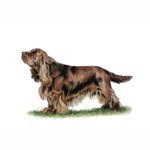
Spaniel (Sussex) – Breed Information, Traits & Complete Guide
The Spaniel (Sussex) stands out as one of Britain’s rarest and most distinctive gundogs, cherished for both its working talents and its affectionate temperament. This breed is a fine choice for those seeking an active, lively companion who can thrive in a rural setting, especially for families or outdoor enthusiasts eager for a devoted four-legged friend. While the Sussex Spaniel may not be the best fit for city dwellers or first-time dog owners looking for a low-maintenance pet, those willing to match its energy and exercise needs will be rewarded with loyalty and companionship.


Built for the fields and forests, the Spaniel (Sussex) combines robust constitution with an endearing, expressive nature. Whether working alongside humans in thick undergrowth or relaxing at home with loved ones, this spaniel’s golden-liver coat and rolling gait are instantly recognizable. Its gentle yet energetic character helps it fill multiple roles—working dog, family companion, or loyal country housemate.
- Overview of the Spaniel (Sussex)
- Key Characteristics
- Appearance of the Spaniel (Sussex)
- Temperament & Behavior
- Care & Living Needs
- Health & Common Issues
- Official Breed Standard Summary
- Frequently Asked Questions
Group: Gundog
Size: Medium
Exercise needs: More than 2 hours per day
Coat length: Medium
Grooming: More than once a week
Shedding: Yes
Lifespan: Over 10 years
Ideal home type: Small house
Town or country: Country
Garden needs: Large garden
Overview of the Spaniel (Sussex)
The Spaniel (Sussex) is a true rarity among Britain’s land spaniels, both in numbers and unique features. Born and bred in the rolling woodlands of Sussex, this spaniel was developed to excel in dense undergrowth, particularly due to the efforts of Mr. A.E. Fuller in the 19th century. His vision was a powerfully built, low-to-the-ground dog able to push through thick brush while hunting, resulting in a breed with a thick protective skin and a distinctive rolling movement.
The Sussex Spaniel’s most notable working trait is its tendency to “give tongue” while working—a trait more commonly found in hounds. This vocalization helps handlers keep track of the dog, even when it vanishes from view in heavy cover. After an early brush with extinction following Mr. Fuller’s death, the breed’s fortunes waxed and waned, but recent efforts by dedicated breeders have restored its numbers and preserved its authentic type.
With its gentle demeanour and strong build, the Spaniel (Sussex) is a wonderful match for people with active lifestyles and a love of country living. It is best suited to experienced dog owners who can offer plenty of exercise, a spacious home, and consistent companionship.
Key Characteristics
- Energy level – Highly energetic and thrives with over two hours of active exercise each day.
- Trainability – Intelligent and eager to please but may require patient, positive reinforcement training methods.
- Intelligence – Quick to learn new skills, especially when engaged in scent and fieldwork.
- Prey drive – Naturally strong, given its origins as a working gundog accustomed to hunting game.
- Social needs – Enjoys regular contact with people and other dogs, dislikes isolation.
- Compatibility with families and children – Known for its kind disposition, making it a reliable family companion.
- Compatibility with other dogs – Generally social, especially if socialized early with other household pets.
- Guarding or watchdog tendencies – Not naturally a guard dog; tends to be more gentle than territorial.
- Adaptability to city or country life – Best suited to country living with access to a large garden or countryside.
- Best suited owner type – Active individuals or families who are experienced and enjoy being outdoors.
- Typical daily routine – Involves long walks, plenty of play, and ample time engaged in sniffing and exploring.
Appearance of the Spaniel (Sussex)
The Spaniel (Sussex) is unmistakable in both build and coloring. This strongly constructed, medium-sized dog stands between 15 and 16 inches (38 to 41 cm) at the withers and typically weighs around 50 pounds (23 kg). Its proportions emphasize strength, with a broad, deep chest, a well-muscled back and loin, and an absence of any sign of waistiness from the withers to the hips.
The head of the Sussex Spaniel is broad with a gentle curve across the skull and a pronounced stop. Eyebrows are distinct, contributing to its somewhat serious expression, while large hazel eyes reflect a gentle, soft demeanor. Ears are thick, relatively large, and set just above eye level, lying close to the skull and adorned with soft, wavy hair.
One of the hallmarks of the Spaniel (Sussex) is its coat: abundant, flat, and never curly, with a substantial undercoat for weather resistance. The luxurious fur on the ears, legs, and feet adds to its robust appearance while providing practical protection in rough terrain. The rich golden liver coloring, golden at the tips, is a defining feature—no other colors or combinations are considered acceptable for the breed. The tail, whether docked or natural, is set low and is never carried above the back, with its animated wagging a breed signature.
Compact yet powerful, the Sussex’s legs are sturdy and relatively short, with round, well-padded and feathered feet that enable it to maneuver confidently across uneven ground. Its unique rolling gait is a distinctive aspect of its movement and sets it apart from other spaniel breeds.
Temperament & Behavior
The Spaniel (Sussex) is beloved for its kindly disposition. Aggression is strictly unacceptable in this breed, both at home and in the field. Gentle and dependable, it forms close bonds with family members and is typically devoted and affectionate, bringing a calm and steady presence into the household.
As a natural working dog, the Sussex Spaniel is energetic and loves to be involved in activities, especially alongside its owners. It performs best with regular, meaningful engagement—whether that’s structured training, scent games, or simply joining the family’s daily activities. It is happiest when included as part of a pack, human or canine, and may become unhappy if left alone for extended periods.
The breed tends to get along well with children and can coexist peacefully with other dogs, especially when introduced early and positively. Each dog’s individual personality can vary, but overall the breed is known for reliability, warmth, and a gentle approach to both people and other pets.
Guarding or watchdog tendencies are not prominent in this breed. The Sussex may alert with its characteristic voice, especially when outdoors, but is generally too sociable and easygoing to be territorial. Its primary strengths lie in its adaptability with different family dynamics and its strong desire to please its people.
Care & Living Needs for the Spaniel (Sussex)
This breed is best suited to households that can provide abundant exercise—more than two hours each day is ideal to keep a Sussex Spaniel physically and mentally satisfied. Long walks, off-lead running in secure spaces, and opportunities to explore new scents are essential for its wellbeing. A home with a large garden in a country setting suits their needs best.
The Sussex Spaniel’s lush medium-length coat requires grooming more than once a week to prevent mats and keep them comfortable. Regular brushing removes dead hair and helps manage its tendency to shed. The coat is designed to resist weather and rough terrain, but ears, feet, and feathering between the toes should be checked and cleaned to maintain good hygiene.
Mental stimulation is as important as physical exercise. Training sessions using positive reinforcement are beneficial, and interactive games or scent work can help keep this intelligent breed occupied. Early socialization and consistent routines support balanced behavior, helping prevent boredom or separation-related behaviors.
The Sussex Spaniel is not well-suited to apartment living or a sedentary home lifestyle. Those unable to dedicate daily time to exercise and grooming, or who lack outdoor space, may find this breed challenging. It is a rewarding companion for active, experienced owners who enjoy country living and can provide the time and engagement the breed deserves.
Health & Common Issues
The Spaniel (Sussex) benefits from a generally robust constitution, as befits a working gundog. While specific health conditions are not detailed here, responsible ownership practices play an important role in preserving this breed’s wellbeing.
Routine veterinary care, including scheduled checkups and preventive health measures such as dental cleaning and vaccinations, helps ensure a long, healthy life. Weight management is especially important for this medium-sized, active breed to support sound joints and avoid excess strain on its frame.
Attention to ear health is important due to this spaniel’s heavy feathering and low-set, floppy ears, which can be prone to buildup if not cleaned regularly. Regular grooming, exercise, and close observation for any changes in energy or behavior will help maintain the breed’s good health throughout its lifespan.
Official Breed Standard Summary
The official breed standard for the Spaniel (Sussex) provides a comprehensive outline of the ideal appearance, temperament, and characteristics expected of the breed. Dogs should display strong, energetic movement with the breed’s distinct rolling gait, and possess a sound, athletic structure suitable for work in dense terrain. The golden liver coat, abundant and flat, with ample undercoat, is a breed hallmark. No other coat colors are allowed under the standard.
The standard emphasizes the importance of a kindly nature, free from aggression, and highlights the breed’s unique vocal ability when working in thick cover. A well-balanced head, marked by a moderate curve of the skull, pronounced eyebrows, hazel eyes, and soft-haired, lobular ears contributes to its distinguished look.
Ideal height ranges from 38 cm to 41 cm (15 to 16 inches) at the withers, with an approximate weight of 23 kg (50 lbs), although minor variations in size can occur. Faults referenced in the standard are judged by their impact on health, welfare, and the dog’s ability to perform its traditional role as a gundog.
Prospective owners should note that while the breed standard guides ideal form and function, not all dogs will measure exactly to specification. Soundness, temperament, and suitability for work remain top priorities in evaluating this remarkable breed.
Frequently Asked Questions about the Spaniel (Sussex)
Is the Spaniel (Sussex) good for first-time dog owners?
While the Spaniel (Sussex) has a kind and gentle temperament, its high exercise and grooming needs make it better suited to experienced owners or those prepared for an active, hands-on commitment. Knowledge of training and a readiness for daily engagement are key to a harmonious experience.
How much exercise does a Spaniel (Sussex) need daily?
This breed requires more than two hours of exercise each day. Long walks, playtime, and opportunities to explore are essential to satisfy its energetic disposition and keep it fit and content.
Is the Spaniel (Sussex) good with children?
The breed is known for a kindly disposition and usually does very well with children, making it a dependable family companion when properly socialized and supervised alongside youngsters.
Can the Spaniel (Sussex) live in an apartment?
Due to its energy level and space requirements, the Spaniel (Sussex) does not thrive in apartment environments. It is happiest with access to a large garden and the countryside, where its activity needs can be met.
How much grooming does a Spaniel (Sussex) need?
The Sussex requires grooming more than once a week, given its medium, abundant coat and tendency to shed. Regular brushing and attention to ears and paws will keep it looking and feeling its best.
Are there common health concerns in this breed?
No specific health issues are highlighted, but routine veterinary checks, proper grooming, and maintenance of a healthy weight help ensure long-term wellbeing. Ear care is important due to the breed’s ear structure.


