
What Are the Traits and Care Tips for Welsh Terriers?
The Welsh Terrier is an energetic and endearing small terrier breed, celebrated for its classic black and tan coloring and lively personality. Ideal for those seeking an affectionate but spirited companion, this dog excels in a variety of homes, from active singles to bustling families. Known for their intelligence and trainability, Welsh Terriers make devoted pets that thrive with engaged and attentive owners.
Historically bred for hunting vermin both above and below ground, the Welsh Terrier maintains a bold yet good-natured disposition. These dogs are happiest when given a job to do—be it joining family activities, participating in dog sports, or playing in the backyard. Their adaptability means they’re equally at home in a small house with a modest garden or in the countryside, provided they receive sufficient daily exercise and stimulation.
- Overview of the Welsh Terrier
- Key Characteristics
- Appearance of the Welsh Terrier
- Temperament & Behavior
- Care & Living Needs
- Health & Common Issues
- Official Breed Standard Summary
- Frequently Asked Questions
Group: Terrier
Size: Small
Exercise needs: Up to 1 hour per day
Coat length: Medium
Grooming: More than once a week
Shedding: Yes
Lifespan: Over 12 years
Ideal home type: Small house
Town or country: Either
Garden needs: Small/ medium garden
Overview of the Welsh Terrier
The Welsh Terrier traces its roots to the rugged hills and farms of 18th-century Wales, where it proved invaluable in hunting foxes, otters, and badgers. This breed evolved from the black and tan rough-coated terriers treasured by Welsh huntsmen, with later influences from Irish Terrier, Airedale, and Lakeland Terriers introduced to refine appearance and temperament. The objective was always clear: create a smart, spirited, and resilient terrier, small enough to go wherever the hunt demanded but strong enough to hold its own against challenging quarry.
Well-established by the late 1800s, the breed earned recognition with its first dedicated club in Pwllheli in 1885. Since then, the Welsh Terrier has maintained its popularity not only for its utility in the field but also for its charming companionship in modern homes. Its history as a working terrier shines through in its alert posture, expressive dark eyes, and trademark wiry coat.
Today, the Welsh Terrier is best suited to owners who appreciate active, cheerful dogs. The breed thrives with stimulation and involvement, enjoying everything from structured training to adventurous play. Its moderate size and adaptability make it manageable for smaller homes, provided its needs for daily exercise, interaction, and mental engagement are thoughtfully met.
Key Characteristics
- Energy level – Highly energetic and keen to participate in family activities, needing daily exercise to satisfy their lively spirit.
- Trainability – Intelligent and eager to please, the Welsh Terrier responds well to consistent, positive training methods.
- Intelligence – Quick learners who enjoy mental challenges and interactive play sessions.
- Prey drive – Retains a strong drive owing to its vermin-hunting origins, so reliable recall and supervision are important outdoors.
- Social needs – Enjoys human companionship and tends to form close bonds with family members.
- Compatibility with families and children – Generally affectionate and playful, making them a good match for families with respectful children.
- Compatibility with other dogs – Usually gets along well with other dogs, but supervision is advised due to their spirited nature.
- Guarding or watchdog tendencies – Alert and sometimes vocal, the Welsh Terrier makes a vigilant watchdog without being aggressive.
- Adaptability to city or country life – Equally content in urban or rural environments as long as exercise and engagement needs are met.
- Best suited owner type – Ideal for active singles, couples, or families able to provide daily activities and consistent boundaries.
- Typical daily routine – Benefits from structured walks, interactive games, and some quiet family time each day.
Appearance of the Welsh Terrier
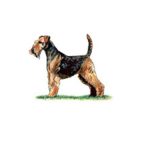
The Welsh Terrier offers a distinctive and well-balanced silhouette that reflects its sporting heritage. Smart and compact yet robust, the breed is built to function efficiently, combining strength and agility in a moderate, workmanlike frame. With a maximum height at the shoulder of 15½ inches (39 cm) and a typical weight around 20–21 pounds (9–9.5 kg), this terrier is ideal for those seeking a small but sturdy companion.
The head is moderately broad and flat between the ears, with a strong, clean-cut jaw set off by dark, expressive eyes that hint at the dog’s lively temperament. The small, V-shaped ears are carried neatly forward, framing the face and contributing to the alert expression. The muzzle is of medium length, ending in a black nose, with a pronounced but not exaggerated stop.
Built for action, the Welsh Terrier features a neck of moderate length sloping gracefully into well-set shoulders. The straight forelegs are muscular and substantial, supporting a chest of good depth and moderate width. The body is compact, with a short, level back and a strong, muscular loin. Hindquarters are equally powerful, with well-turned stifles and ample bone that provide drive and balance.
The coat is one of the breed’s most recognizable features: wiry, hard, and dense, lying close to the body to protect against harsh conditions. The only acceptable color is a clear black and tan or black grizzle and tan, with tan legs and head, and black covering the back—but never below the hocks. Single coats or deviations from the breed’s authorized coloring are considered undesirable under the official standard.
Temperament & Behavior
Welsh Terriers are defined by their happy and lively outlook on life. Rarely shy and never aggressive, they show courage and resilience without the inclination to provoke conflict. They bring a cheerful, sometimes mischievous energy to the home, brightening up routines with their enthusiasm and curiosity.
Affectionate by nature, these dogs tend to be obedient and easily controlled when given clear, consistent guidance. Their loyalty to family is strong, and most Welsh Terriers enjoy being included in daily activities, whether that means going for walks, training games, or settling at your feet after playtime. This breed is at its best when fully integrated into its home environment and given meaningful interaction.
True to their terrier origins, Welsh Terriers display a certain feistiness and game spirit. They have a keen prey drive, so early socialization and recall training are important. While generally friendly with people and familiar dogs, they benefit from structured introductions and oversight when meeting new animals. Early exposure to a variety of experiences helps build their confidence and ensures they stay well-mannered.
As members of the Terrier Group—a collection bred to pursue vermin above and below ground—Welsh Terriers remain brave and tenacious, thriving on both mental and physical challenges. This tenacity means they can sometimes be willful, but their intelligence and affectionate temperament make them a delight for owners willing to provide leadership and engagement.
Care & Living Needs for the Welsh Terrier
The Welsh Terrier’s energy and zest for life demand daily activity; about an hour of exercise each day is recommended to keep both mind and body satisfied. This can be a combination of brisk walks, off-leash play in a secure garden, or interactive games that challenge their brain as well as their muscles. Their adaptability to smaller homes, including those with a small or medium garden, means they’re suitable for city or suburban living if their exercise and stimulation requirements are met.
Grooming is a must for the Welsh Terrier. With a medium-length, wiry coat that sheds, these dogs benefit from thorough brushing more than once a week to remove loose hairs and prevent mats. Occasional hand-stripping or trimming will help preserve the texture and appearance of their distinctive coat. Bathing should be as needed to keep them looking and smelling fresh, but caution is advised not to overdo it, as their wiry hair repels dirt and moisture naturally.
Mental stimulation is equally critical. Welsh Terriers excel with structured training, interactive toys, and ongoing learning opportunities. Their intelligence means they quickly tire of repetitive routines, so variety in activities is appreciated. Early socialization and continued obedience work foster their best behavior and prevent unwanted habits from developing.
This breed may not be ideal for those who prefer a sedentary lifestyle or lack the time to engage consistently with their dog. Owners should be prepared to commit to both daily exercise and mental enrichment. Households with very limited outside space can still accommodate a Welsh Terrier if regular outings and activities are part of the schedule.
Health & Common Issues
The Welsh Terrier generally enjoys a long and robust life, often living over 12 years when cared for appropriately. While the dataset does not specify breed-specific health issues, responsible owners should always monitor for the common concerns found across many small breeds.
Sustaining a healthy weight through balanced diet and regular activity supports joint health and overall wellbeing. Their teeth benefit from routine dental care, while eyes and ears should be checked periodically and kept clean.
Visits to a trusted veterinarian for wellness exams and vaccinations form the foundation of preventative health. As with any breed, attentive owners who observe changes in appetite, energy levels, or behavior and seek early veterinary advice give their dogs the best chance at a long and healthy life.
Official Breed Standard Summary
The official breed standard for the Welsh Terrier captures the essence of a smart, well-balanced, and functional working terrier. The standard outlines the ideal combination of characteristics, temperament, and appearance to ensure that each dog remains true to the breed’s heritage and capable of fulfilling its original working role.
The standard emphasizes a sturdy yet compact build, a wiry black and tan coat, and the purposeful, alert demeanor that signals readiness for activity. All features should be present in correct measure; neither exaggeration nor obvious faults that would compromise health or welfare are accepted. Disqualifying or highly undesirable traits include deviations from prescribed colors or single coats.
Gait and movement are equally important, with forelegs and hindlegs moving straight and parallel, and the body displaying unity and power in action. Male dogs are expected to have two testicles fully descended into the scrotum, and owners should understand that dogs may occasionally deviate in size or weight from the ideal without this implying a fault in pet or companion contexts.
The breed standard remains a valuable guide for breeders and owners, supporting the preservation of health, structure, and temperament that define the Welsh Terrier today.
Frequently Asked Questions about the Welsh Terrier
Is the Welsh Terrier good for first-time dog owners?
The Welsh Terrier can be suitable for dedicated first-time owners who are prepared to invest time in consistent training and daily exercise. Their intelligence and energy make them rewarding, but they do best with clear boundaries and engaged families.
How much exercise does a Welsh Terrier need daily?
This breed needs up to one hour of exercise per day. Activities should blend physical walks, playtime, and interactive games to meet their mental and physical needs.
Is the Welsh Terrier good with children?
With their affectionate and playful nature, Welsh Terriers often bond well with children. Supervision and teaching children gentle handling help ensure positive interactions with dogs in the home.
Can the Welsh Terrier live in an apartment?
Welsh Terriers can adapt to apartment living if they receive ample daily exercise and mental stimulation. Regular walks and opportunities for play are necessary to keep them content in smaller spaces.
How much grooming does a Welsh Terrier need?
The breed requires more than once weekly brushing and periodic hand-stripping to keep their wiry coat in top condition. Regular care reduces shedding and maintains their classic appearance.
Are there common health concerns in this breed?
The dataset does not list specific health problems for the Welsh Terrier. As with any dog, regular veterinary care, balanced diet, and attention to dental and joint health are essential.


