
What Are the Traits and Care Requirements of a Yorkshire Terrier?
The Yorkshire Terrier brings together charm, intelligence, and unmistakable style in a compact package. Whether you’re looking for a lively companion for city living or a devoted dog who enjoys sharing the sofa, this breed adapts seamlessly to modern homes. Their spirited personality and manageable size make them a popular choice for singles, couples, and families seeking a loyal lapdog with a big presence.
With roots as a hardworking terrier, the Yorkshire Terrier combines tenacity with elegance. Their long, silky coat and keen expression hint at both their high-maintenance glamour and mischievous terrier side. While pampered by many, these dogs are far from just decorative—they still carry the heart and confidence of a true working terrier beneath their luxurious coat.
- Overview of the Yorkshire Terrier
- Key Characteristics
- Appearance of the Yorkshire Terrier
- Temperament & Behavior
- Care & Living Needs
- Health & Common Issues
- Official Breed Standard Summary
- Frequently Asked Questions
Group: Toy
Size: Small
Exercise needs: Up to 30 minutes per day
Coat length: Long
Grooming: Every day
Shedding: No
Lifespan: Over 12 years
Ideal home type: Flat/ Apartment
Town or country: Either
Garden needs: Small/ medium garden
Overview of the Yorkshire Terrier
The Yorkshire Terrier traces its origins back to industrious Scottish workers who migrated to Yorkshire, England, in the 19th century. These workers brought along their Black and Tan Terriers, which were later crossed with breeds such as the Maltese and Skye Terrier. The result was a compact yet determined little dog, ideally suited for life both as a companion and as a vermin controller in the bustling industrial towns.
Originally developed to dispatch rodents, the breed became an instant favorite among local families for its confidence and striking looks. As the breed’s popularity grew, the Yorkshire Terrier found its way into the homes of well-to-do ladies and quickly earned a reputation as a fashionable house pet. Even today, their elegance is recognized in the show ring where they’re presented on decorative boxes, a tradition rooted in their glamorous rise to prominence.
With their adaptable nature, Yorkshire Terriers are equally at home in busy city apartments or quieter country settings. Their size and temperament make them suitable for owners seeking an attentive, affectionate dog who is comfortable sharing everyday adventures—whether curled up at home, exploring a park, or socializing with friends and family.
Key Characteristics
- Energy level – The Yorkshire Terrier is lively and active but requires only moderate daily exercise, making it easy to satisfy their needs even in smaller homes.
- Trainability – Intelligent and quick to learn, they respond best to positive reinforcement and consistent routines.
- Intelligence – Yorkies are clever and perceptive, with a sharp, alert nature that allows them to pick up on cues quickly.
- Prey drive – With terrier roots, they retain a strong instinct to chase small creatures, so care is needed around rodents and other small pets.
- Social needs – This breed craves attention and companionship, thriving when included in family life and daily activities.
- Compatibility with families and children – Generally affectionate and adaptable, Yorkshire Terriers can fit well into homes with older, gentle children.
- Compatibility with other dogs – They tend to tolerate other dogs, especially if socialized early, but can be assertive despite their size.
- Guarding or watchdog tendencies – Yorkies are alert and make excellent little watchdogs, often vocalizing at unfamiliar sounds or people.
- Adaptability to city or country life – Equally content in apartments or homes with small gardens, providing their needs are met.
- Best suited owner type – Ideal for singles, couples, or families looking for an interactive companion with an energetic spirit.
- Typical daily routine – Enjoys short walks, play sessions, plenty of interaction, and daily grooming to keep their coat in shape.
Appearance of the Yorkshire Terrier
The Yorkshire Terrier is a small, well-proportioned dog with an upright, confident carriage and a distinctively neat outline. Despite their petite frame, their body is compact and sturdy, offering a glimpse of their working terrier heritage. When standing or moving, they give off an air of importance, thanks to their proud posture and alert expression.
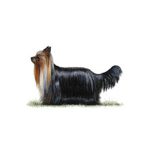
One of the most notable features is the breed’s luxurious, long coat, which hangs straight and evenly down each side of the body, parted from the nose all the way to the end of the tail. The texture is fine, silky, and perfectly straight—not wavy or woolly—reflecting beautiful light as they move. The head displays a fall of golden tan hair, deeper at the sides and about the ear roots, while the body carries a distinctive steel blue shade extending from the head to the root of the tail. The tan on the head, chest, and legs is always darker at the roots and lightens toward the tips, adding depth and richness to their appearance.
The head itself is small and flat with a black nose, medium dark sparkling eyes set forward, and small, V-shaped, erect ears wrapped in deeply colored tan. Yorkies have a perfect scissor bite and a well-placed, even set of teeth. Their neck offers good reach, and their straight, well-decorated legs show off the lighter ends of their tan furnishings. The compact body remains level along the back, supported by rounded black-nailed feet and a tail carried slightly above the back, generously covered in darker blue hair for a balanced look.
Yorkshire Terriers weigh up to 3.2 kg (7 lbs), making them an easily portable companion. Their dazzling coat colors include variations such as Steel Blue & Tan, Blue & Tan, and similar rich combinations, but any colors outside the official palette are considered faults in the breed standard.
Temperament & Behavior
Spirited and bold, the Yorkshire Terrier may be small in stature but is anything but timid. Their even disposition and remarkable intelligence shine through, especially at home where they are eager to be involved in family life. These alert little dogs quickly form close bonds with their people and appreciate being at the center of attention.
The breed belongs to the Toy group, which comprises small, companionable dogs bred primarily for life as lapdogs and loyal home pets. Despite their diminutive size, Yorkies are little dynamos—they are quick-thinking, curious, and can be quite assertive with both people and fellow pets. Their watchful nature makes them excellent at alerting their families to visitors or unusual happenings in their surroundings.
Yorkshire Terriers tend to be sociable but can show a streak of independence typical of their terrier lineage. Early and consistent socialization helps ensure they remain friendly with other dogs and people. Their playful, adaptable demeanor makes them suitable for families, singles, and seniors alike—as long as their active minds are kept occupied.
It’s important to remember that while their size is ideal for apartment living, their personality is often larger than life. Some Yorkies may be reserved with strangers at first but warm up quickly once trust is established. Their apparent courage and loyalty make them favorites as small family guardians.
Care & Living Needs for the Yorkshire Terrier
The Yorkshire Terrier’s exercise needs are relatively minimal; most do well with up to 30 minutes of daily walks and structured playtime. They are suited to smaller homes such as flats or apartments, thriving just as comfortably in urban or suburban environments as they do in larger houses. Access to a small or medium garden is a bonus but not a requirement, as these dogs adapt easily when given regular outings and stimulation.
Daily grooming is an absolute must for Yorkshire Terriers thanks to their long, silky coats, which can quickly tangle and collect debris. Brushing every day keeps the coat in good condition and minimizes the risk of matting. As non-shedding dogs, they are often sought after by those looking to minimize loose hair in the home, but their grooming needs are best welcomed by owners who enjoy dedicated coat care.
Mental stimulation and a gentle, consistent training routine are crucial for this bright breed. Yorkies excel when their minds are engaged—think puzzle toys, short training sessions, and regular changes in walking routes to pique their curiosity. They respond best to positive reinforcement and clear boundaries.
This breed is a wonderful fit for individuals and families willing to invest daily time in grooming and companionship. They may not be the best choice for people who are out of the house frequently or looking for a particularly tolerant, hands-off dog for households with very young children. A Yorkshire Terrier flourishes in a setting where interaction is plentiful and care routines are a priority.
Health & Common Issues
With an average lifespan of over 12 years, the Yorkshire Terrier enjoys a reputation as a generally robust small breed when given attentive care. Maintaining optimal health involves balancing their exercise, diet, and weight, as well as ensuring regular veterinary checkups to monitor for any age-related concerns.
While the dataset does not specify common health problems, sensible advice for Toy breeds like the Yorkie includes staying vigilant for dental hygiene, monitoring joints, and watching for signs of discomfort. Grooming not only keeps their coat in top shape but also provides an opportunity to check for skin or ear issues early on.
Responsible owners support wellbeing with age-appropriate exercise to protect their delicate frames and by avoiding excessive jumping or rough play. Consistent preventive care and attention to changes in appetite, behavior, or appearance go a long way toward supporting a happy, healthy life.
Official Breed Standard Summary
The official breed standard for the Yorkshire Terrier defines the ideal appearance, temperament, and proportions expected for this iconic Toy breed. Absolute soundness is prioritized—every feature should support the health, welfare, and functional ability of the dog. The Yorkie’s body should be compact, neat, and well-proportioned, with an upright, dignified bearing.
Size is limited to 3.2 kg (7 lbs), making them perfectly portable for modern owners. Their signature coat is perfectly straight, of fine silky texture, and must never impede movement. Colors are restricted to vibrant Steel Blue and rich golden tan combinations, never mingled with off-standard shades, to preserve the breed’s distinctive look. The movement should be free, energetic, and level, with a confident, straight action both front and behind.
The standard also addresses points such as dental alignment, tail set, and the proper length and texture of coat. Any deviations from the established standard are considered faults and are regarded in proportion to their impact on the dog’s wellbeing. Special notes clarify that variations in size are natural, and owners should not expect exact conformity to measurements.
Breeders and show judges alike are called to avoid exaggerations or features detrimental to the dog’s health or quality of life. Male dogs should have two normally descended testicles, in accordance with the general expectations for the breed’s soundness and fitness.
Frequently Asked Questions about the Yorkshire Terrier
Is the Yorkshire Terrier good for first-time dog owners?
The Yorkshire Terrier is often well-suited for first-time owners who have time for daily coat care and enjoy an interactive, lively companion. Their intelligence and social nature make them easy to bond with, but patience and consistent training are important for best results.
How much exercise does a Yorkshire Terrier need daily?
Yorkies require up to 30 minutes of exercise each day, typically satisfied through short walks and active indoor play sessions. While energetic, their small size means they do not need extensive outings to stay happy and fit.
Is the Yorkshire Terrier good with children?
Yorkshire Terriers can get along well with older, gentle children who respect their size and boundaries. As a small breed, they may not tolerate rough handling, so supervision and careful introductions are recommended with younger kids.
Can the Yorkshire Terrier live in an apartment?
This breed thrives in apartments and smaller homes as long as their need for attention and exercise is met. Their adaptability makes them a popular choice for urban living.
How much grooming does a Yorkshire Terrier need?
Daily grooming is necessary to keep their long, silky coat free from tangles and mats. A regular brushing routine is essential, alongside occasional baths and professional trims if the coat is kept long.
Are there common health concerns in this breed?
While specifics are not noted in the available information, regular dental care, balanced exercise, and annual health checks help ensure Yorkshire Terriers stay healthy. Monitoring their teeth, coat, and overall wellbeing is beneficial for a long, happy life.


