
Barbet – Breed Information, Traits & Complete Guide
The Barbet is a rare French water dog renowned for its rustic charm, intelligence, and strong retrieving instincts. With a dense curly coat and an affable personality, the Barbet (pronounced “Bar-bay”) is an appealing breed for those looking for a gundog with family-friendly traits. Traditionally used for waterfowl hunting in marshes and lakes, this breed now enjoys a resurgence as both a working dog and a devoted companion.
This versatile gundog is especially well-suited to active rural homes with access to a small or medium garden. Its sociable and trainable nature makes it a rewarding pet for experienced dog owners who appreciate both the breed’s working heritage and its gentle temperament at home. The Barbet is also becoming more popular in sports and as a loyal family friend, thriving in households able to accommodate its exercise and grooming needs.
- Overview of the Barbet
- Key Characteristics
- Appearance of the Barbet
- Temperament & Behavior
- Care & Living Needs
- Health & Common Issues
- Official Breed Standard Summary
- Frequently Asked Questions
Group: Gundog
Size: Large
Exercise needs: Up to 1 hour per day
Coat length: Medium
Grooming: More than once a week
Shedding: No
Lifespan: Over 10 years
Ideal home type: Small house
Town or country: Country
Garden needs: Small/ medium garden
Overview of the Barbet
Originating from France, the Barbet has a long and rich history as a water dog and retriever. With roots stretching back to at least the 1700s, this breed carved out its reputation by flushing and retrieving waterfowl from dense marshes and lakes. The rustic, bearded appearance of the Barbet gave rise to its French name, “Le Chien Barbet,” or “the bearded dog.” This distinctive ancestry links the Barbet to several well-known breeds, including the Poodle, Irish Water Spaniel, and even the Newfoundland, attesting to its influence in the development of European retrievers and water dogs.
The Barbet is ideally suited for active owners who appreciate a dog with both intelligence and energy. While once prized primarily as a field worker, the breed now fits comfortably into family life, excelling as a sociable companion, search and rescue helper, or participant in canine sports. With stamina and quick wits, it is happiest in environments that embrace its need for both mental and physical stimulation—including access to the outdoors and, ideally, some muddy or watery adventures.
Although numbers dwindled after the World Wars, the breed has seen a measured revival since the late twentieth century. Today’s Barbet is both a capable working dog and a loyal household member, making it a wonderful choice for the right home—one that is able to meet its outdoor, exercise, and companionship requirements.
Key Characteristics
- Energy level – The Barbet possesses moderate to high energy and enjoys active play or purposeful outings each day.
- Trainability – This breed is intelligent and responsive, making training generally enjoyable and straightforward.
- Intelligence – Highly perceptive, the Barbet thrives on learning new tasks and is well-suited for various canine activities.
- Prey drive – Originally bred to flush and retrieve game, the Barbet retains a keen instinct for birds and small wildlife.
- Social needs – Naturally sociable, this dog values close family connections and appreciates regular human interaction.
- Compatibility with families and children – Known for an even disposition, the Barbet is loving and gentle with younger family members.
- Compatibility with other dogs – Generally friendly and easygoing, most Barbets get along well with other dogs when socialized appropriately.
- Guarding or watchdog tendencies – Not a dedicated guard dog but may alert to strangers with a bark; more companionable than protective.
- Adaptability to city or country life – Prefers country living and outdoor spaces; may adapt to town life if exercise and enrichment needs are met.
- Best suited owner type – Active households, experienced dog owners, and those seeking an engaged, interactive companion are ideal for this breed.
- Typical daily routine – Exercise, interaction, and regular grooming are essential parts of a Barbet’s daily life.
Appearance of the Barbet
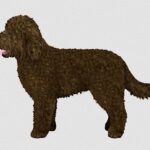
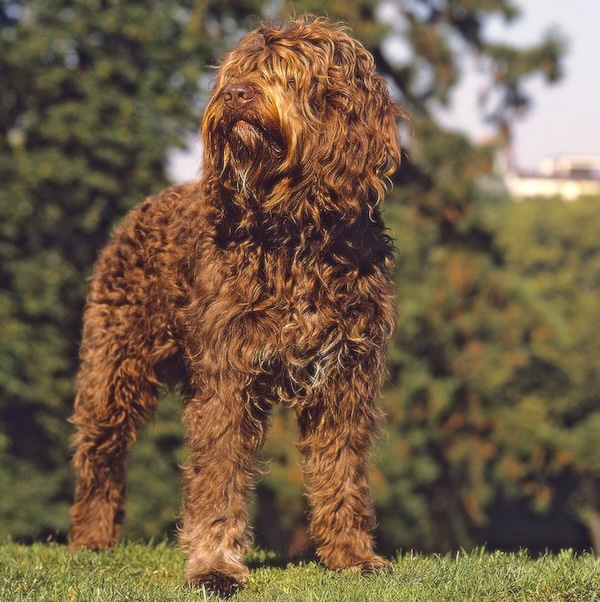
The Barbet is a large, sturdily built dog presenting an athletic silhouette and rustic appeal. Standing 53–65 centimeters tall, with males typically on the larger end, the breed shows balanced proportions and substantial bone, giving an impression of strength combined with agility. Its body length is just slightly longer than its height at the withers, reinforcing its square outline and solid stance.
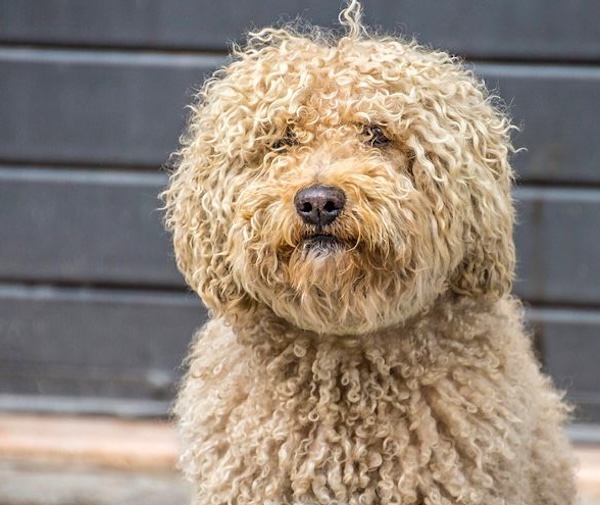
One of the breed’s most notable features is its dense, curly coat, which is water-resistant and can range from loose to tight curls across the entire body. Maintaining this natural, “rustic” look is preferred, and the coat should never be stylized or excessively trimmed. Typical coat colors include black, brown, fawn, grey, white, and various combinations, such as black with white, brown with white, and pied. Solid white or white-based coats with color patches are also seen, but any color outside the official range is considered undesirable.
The Barbet has a well-furnished muzzle, rounded skull, and expressive, round eyes that range from dark hazel to dark brown. Long, flat ears heavily covered in curly hair are set level with or slightly below the eyes, giving the breed a characteristic, almost whimsical look. The nose is large and harmonizes with the coat color. The tail is low-set, reaching the hock and tapering to a slight hook, carried horizontally or just above when in motion, but never curled over the back. Round, well-padded feet and a solid, level topline complete the picture of a dog bred for both endurance and adaptability in the field.
Temperament & Behavior
The Barbet is celebrated for its responsive, loving, and loyal personality. As a breed developed for working closely with people, it easily forms strong attachments to all members of its household, thriving on affection and interaction. It’s this balanced temperament that makes the Barbet as happy curled up with its family as splashing through muddy water during a play session or training exercise.
Sociability is one of the Barbet’s trademarks. This dog typically greets new faces with curiosity rather than suspicion, making it a poor candidate for serious guarding roles. Instead, its affectionate nature lends itself beautifully to family life, with most individuals getting along well with children and other pets, especially when raised together from an early age. The even disposition shines through during training, as the Barbet enjoys problem-solving and learning in partnership with its owner.
Belonging to the gundog group, the Barbet possesses natural instincts for retrieving and searching, which can present both strengths and occasional challenges in the home. Providing suitable outlets for these behaviors—such as games, scent work, or participation in dog sports—helps channel the breed’s energy and keeps undesirable behaviors at bay. Given their loyal and gentle presence, Barbets often integrate seamlessly into various roles, whether as a working companion, sport dog, or beloved pet.
Care & Living Needs for the Barbet
Caring for the Barbet begins with an understanding of its working heritage and corresponding exercise requirements. While not excessively high-strung, this breed is happiest with up to an hour of daily activity, including walks, play sessions, or water-based adventures. Their love of swimming and retrieving aligns perfectly with families who enjoy outdoor life or have access to safe water bodies.
This breed is commonly found in small houses with access to a small or medium-sized garden, though it will adapt to larger properties as well. Given its size and need for regular movement, the Barbet is better suited to country living. Owners in towns can make it work with commitment to exercise and enrichment, but apartment life is less ideal unless activity and stimulation are prioritized.
Grooming is a significant part of Barbet ownership. The dense, medium-length curls require attention more than once a week, preventing matting and maintaining the natural water-resistant quality of the coat. While the breed is described as non-shedding, regular brushing and occasional trims (while preserving a rustic look) are vital. Ears, being heavily coated and pendulous, should be checked and kept clean to minimize the risk of debris accumulation.
Mentally, the Barbet is a bright and inquisitive dog, thriving on training sessions, interactive play, and tasks that engage its mind. Early socialization and basic obedience are essential, particularly as the breed can become bored without adequate stimulation. Those seeking a low-maintenance or sedentary companion may find the Barbet’s needs too demanding, but engaged owners will be rewarded with unwavering devotion and enthusiasm.
Health & Common Issues
The Barbet is generally regarded as a healthy breed with a robust constitution, enjoying a life expectancy of over ten years. Regular veterinary checkups are advisable to ensure continued well-being and to monitor the dog’s condition as it matures.
Due to its dense, curly coat, owners should be attentive to skin and ear health, as debris and moisture can occasionally cause irritation or infection if not properly managed. Routine grooming and inspections are beneficial in preventing common coat or ear issues.
Weight control and balanced, appropriate exercise contribute to long-term health, supporting strong joints and maintaining the natural athleticism of the breed. Providing a balanced diet, keeping up with recommended vaccinations, and maintaining oral hygiene through regular teeth checks or cleanings can promote healthy years.
Official Breed Standard Summary
The official breed standard for the Barbet outlines the key qualities that define its ideal appearance, temperament, and functionality. This includes a rustic, athletic medium-to-large frame with an emphasis on balance, proportion, and a natural presentation. Notable features include the dense, curly and water-resistant coat, a distinctive beard, and a sturdy, well-boned structure.
Movement should be strong and effortless, with a level topline and easy, medium-length strides—reflecting the breed’s history as a practical field and water dog. Acceptable coat colors span black, brown, fawn, grey, white, and combinations or pied markings among these hues. Maintaining the rustic, un-stylized appearance is central; excessive trimming or stylized grooming is highly discouraged.
The breed standard stresses the importance of health and soundness. Features or exaggerations that could negatively impact welfare or working ability are considered faults. Both breeders and judges are encouraged to ensure all dogs demonstrate the breed’s resilient character and structure. Males should have two apparently normal testicles fully descended.
It’s important to recognize that these measurements and characteristics serve as a guide. Individual dogs may vary in size or other details without detracting from their suitability as companions or working dogs.
Frequently Asked Questions about the Barbet
Is the Barbet good for first-time dog owners?
The Barbet is intelligent and responsive, making it accessible for committed first-time owners willing to invest in training and grooming. Its sociable nature helps, but the breed does require an active, attentive household.
How much exercise does a Barbet need daily?
This breed typically thrives with up to one hour of daily exercise, including walks, play, and water-based activities. Engaging both mind and body ensures a happy and well-adjusted Barbet.
Is the Barbet good with children?
The Barbet is known for being loving and gentle, making it an excellent choice for families with children. As with any breed, supervision and respectful interactions are important for positive relationships.
Can the Barbet live in an apartment?
The Barbet is best suited to homes with outdoor space, such as a small or medium garden in a country setting. It may adapt to apartments if its exercise and mental stimulation needs are reliably met, though this is not the ideal environment.
How much grooming does a Barbet need?
The dense curly coat requires attention more than once a week to prevent mats and maintain its healthy, rustic look. Regular brushing and checks of the ears and skin are essential parts of grooming.
Are there common health concerns in this breed?
The Barbet is generally healthy, with most individuals enjoying a long lifespan. Routine veterinary care, grooming, and a suitable exercise program are important for preventing common issues.


