
Retriever (Curly Coated) – Breed Information, Traits & Complete Guide
The Retriever (Curly Coated) stands out as a remarkable companion for those seeking a unique, active, and intelligent canine partner. With its unmistakable tight, water-resistant curls and spirited persona, this breed is best suited to individuals or families who enjoy spending quality time outdoors and are committed to meeting the dog’s physical and mental needs. If you’re looking for a reliable, energetic breed that thrives on interaction and activity, the Curly Coated Retriever is worth considering.

Originally designed for retrieving waterfowl, the Curly’s role has expanded into that of a versatile family companion. Beneath its rugged exterior lies a dog of great loyalty and subtle affection. While independent by nature, the Curly Coated Retriever is known for bonding closely with its family, excelling both as a working dog and as a part of an active household.
- Overview of the Retriever (Curly Coated)
- Key Characteristics
- Appearance of the Retriever (Curly Coated)
- Temperament & Behavior
- Care & Living Needs
- Health & Common Issues
- Official Breed Standard Summary
- Frequently Asked Questions
Group: Gundog
Size: Large
Exercise needs: More than 2 hours per day
Coat length: Medium
Grooming: More than once a week
Shedding: Yes
Lifespan: Over 10 years
Ideal home type: Large house
Town or country: Either
Garden needs: Large garden
Overview of the Retriever (Curly Coated)
The Retriever (Curly Coated) is widely believed to be the oldest among the retriever breeds, with its ancestry blending elements from now-extinct English Water Spaniels, Labradors, and Poodles. This carefully crafted combination gives rise to the breed’s most recognizable attribute: a coat of tight, crisp curls. These curls provide natural water resistance, a trait that was invaluable for retrieving waterfowl from lakes and rivers—the task at the heart of this breed’s original purpose.
Towering over other retrievers, the Curly Coated Retriever exhibits a stately presence matched by strength and stamina. The first breed club emerged in the early twentieth century, solidifying standards for a dog that had always been prized for robust health, working capability, and an unmistakable appearance. Owners who appreciate an active companion with working roots will find the breed’s athleticism and durability to be enduring traits.
Today, this gundog fits perfectly with those who lead a busy, outdoorsy lifestyle and have the space to accommodate an energetic, large-breed canine. While vulnerable as a native breed and relatively less common than other retrievers, the Curly offers a unique partnership to the right person or family ready to engage with and nurture its lively nature.
Key Characteristics
- Energy level – Naturally high and best served with vigorous daily exercise or purposeful outdoor activities.
- Trainability – Intelligent and eager, though sometimes independent; benefits from consistent guidance and positive methods.
- Intelligence – Highly intelligent with a history of complex retrieval tasks; mental stimulation is important.
- Prey drive – Strong instincts due to gundog heritage; enjoys retrieving and often chases moving objects.
- Social needs – Enjoys company but may be reserved; thrives on interaction with family members.
- Compatibility with families and children – Generally good; steady and reliable when socialized early, though sometimes a bit aloof.
- Compatibility with other dogs – Can coexist harmoniously with other dogs, especially if introduced and socialized from a young age.
- Guarding or watchdog tendencies – Confident and bold; aware of surroundings, though not typically aggressive or overly protective.
- Adaptability to city or country life – Adaptable to either, provided sufficient exercise and space are available.
- Best suited owner type – Active owners or families with a commitment to exercise, mental engagement, and regular grooming.
- Typical daily routine – Ample exercise, engaging activities, interaction with family, and periods of calm relaxation indoors.
Appearance of the Retriever (Curly Coated)
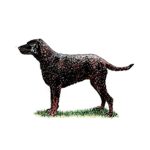
The Retriever (Curly Coated) is an imposing and elegant dog, standing taller than most other retrievers. Male dogs ideally reach up to 27 inches at the withers, while females typically stand at around 25 inches. The breed’s physique is slightly longer than it is tall, giving a balanced and powerful silhouette that signals both strength and grace.
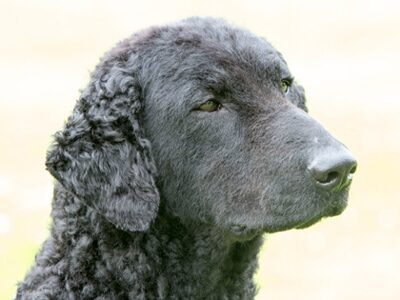
What truly defines the breed is its thick, tight mass of crisp curls, which lies close to the skin and stretches from the top of the head to the tip of the tail. This iconic coat is both practical and attractive, providing water resistance vital for retrieving duties. Hair is smooth on areas of the body not covered by curls. The coat does shed, so regular grooming is required to maintain its unique texture and appearance.
The head is wedge-shaped with parallel lines running from the skull to the muzzle, and a slight stop is apparent. Eyes are large and oval, set obliquely, varying from dark brown in black-coated dogs to brown shades in liver-coated individuals. The ears are relatively small, set just above eye level, lying close to the head and covered in fine curls. Robust necks flow gracefully into well-laid-back shoulders, strong forequarters, and a deep, oval chest. Hindquarters are muscular with a moderate stifle, and the tail extends in a straight line from the back, carried level during movement.
Color options are limited strictly to black or liver, with any other coloration considered unacceptable by breed standards. Tight, well-arched feet complete the athletic design of this hunting companion, benefiting both agility and stamina.
Temperament & Behavior
The Retriever (Curly Coated) is known for a temperament that blends boldness, friendliness, self-confidence, and a streak of independence. While the breed often displays a touch of reserve towards strangers, it is as reliable and steady as it is intelligent—making it a solid choice for owners who appreciate subtlety over constant exuberance.
In the home, Curlies show loyalty and affectionate interaction with their family members. Socialized well, they are generally good with children and can be dependable playmates, though their size and energy level may overwhelm very young children if not supervised. Their interaction with other dogs is typically positive, provided proper introductions are made, as they were bred to work in tandem with both people and fellow canines.
The breed group’s legacy was developed for live game finding and retrieval—a background that shines through in their instinct to fetch and carry objects. While Curly Coated Retrievers are adaptable to family life, their working roots mean they thrive when given purposeful tasks, structured training, and plenty of mental and physical outlets.
One characteristic that can challenge new owners is the breed’s independent nature. At times, Curlies may seem aloof or choose to observe their environment quietly before engaging. Patience, fairness, and encouragement help bring out the best in them, particularly during training or socialization sessions.
Care & Living Needs for the Retriever (Curly Coated)
The exercise requirements for a Curly Coated Retriever are considerable, with more than two hours of activity each day recommended. This is not a breed that will be content as a couch companion; regular walks, energetic games, swimming, and retrieval exercises are essential to their well-being. Owners should be prepared to embark on varied physical activities to help their Curly burn off energy and stay fit.
A large house with a spacious, secure garden offers the ideal setup for this breed. While the Curly Coated Retriever can adapt to either town or country living, access to a sizable outdoor area for exploration and play is important. Apartment or small home settings may not be suitable unless the owner is especially attentive to providing daily outdoor enrichment and exercise.
Grooming should be tackled more than once a week, as their medium-length, curly coat can develop mats and tangles if neglected. Shedding is to be expected, though proper brushing and occasional bathing will maintain coat health and appearance. The distinctive coat requires a balanced approach: over-brushing can lead to frizz, while under-grooming may result in knots or debris becoming trapped.
Mental stimulation is as critical as physical activity for Curlies. Because they are bright, quick learners with a mind of their own, training should involve positive reinforcement techniques and varied tasks or games to keep their attention sharp. Puzzle toys, scent games, and advanced obedience work all help prevent boredom-induced behaviors.
This breed is less suited to owners who prefer a sedentary lifestyle or are unable to commit to robust exercise and grooming routines. Those looking for a low-maintenance or low-energy companion would likely find the Curly’s demands overwhelming. However, in the hands of motivated and engaged caretakers, the Curly Coated Retriever makes a truly rewarding partner.
Health & Common Issues
Like all breeds, the Curly Coated Retriever benefits from attentive care and regular veterinary check-ups to maintain optimal health. While the dataset does not detail specific health issues typical of the breed, adhering to standards for nutrition, exercise, and preventative health ensures a good quality of life and longevity, often surpassing ten years.
Owners should pay attention to routine aspects of care: keeping weight in check, supporting joint and dental health through appropriate diet and activity, and managing the integrity of the curly coat. Regular checks for matting or debris in the coat are helpful, particularly after outdoor excursions. Cleanliness of the ears and regular dental care also contribute to lasting health and comfort.
Because of the breed’s active lifestyle, suitable exercise routines and an environment free of excessive hazards reduce the risk of injury. Routine health screenings as advised by your veterinarian—tailored to large, active breeds—are always a wise step.
Official Breed Standard Summary
The official breed standard for the Retriever (Curly Coated) emphasizes a strong, upright, and elegant appearance, highlighted by a distinctive coat of tight curls. Dogs should possess absolute soundness in body and movement, avoiding extreme features that would compromise health or ability. Physical exaggerations are to be avoided, and traits detrimental to function or well-being are not acceptable.
Size is defined by an ideal height of 27 inches at the withers for males and 25 inches for females, although individuals may fall outside these measurements. The breed standard is a guideline rather than a prescription, and variances do not inherently disqualify an otherwise healthy dog.
Permissible colors are strictly black or liver, with no acceptance for any other shade or combination. The gait is described as effortless and powerful, legs moving in parallel with good extension and drive. The coat should be a thick mass of crisp, tight curls lying close to the skin, covering the body from the occiput to the tail tip, with the rest of the hair lying smooth.
Any deviation from the described characteristics is considered a fault, the seriousness of which depends on the impact it may have on the dog’s health and functional ability. The standard also notes that male dogs should have two normal testicles fully descended. Prospective owners are encouraged to prioritize health and temperament in addition to adherence to the official visual and structural guidelines.
Frequently Asked Questions about the Retriever (Curly Coated)
Is the Retriever (Curly Coated) good for first-time dog owners?
This breed can be suitable for dedicated first-time owners who have researched its needs and are ready to provide substantial exercise, mental stimulation, and regular grooming. Their independence means new owners should be prepared to invest time in consistent positive training.
How much exercise does a Retriever (Curly Coated) need daily?
The Curly Coated Retriever requires more than two hours of exercise per day. Structured activities such as long walks, swimming, and games of fetch are ideal for keeping this energetic breed happy.
Is the Retriever (Curly Coated) good with children?
With proper socialization, this breed is typically steady and reliable around children. Supervision is advised with very young kids due to the dog’s size and exuberant nature during play.
Can the Retriever (Curly Coated) live in an apartment?
This breed is best suited to larger homes with access to a big garden. Apartment living is possible only if the owner is dedicated to daily, extensive outdoor activities and mental stimulation.
How much grooming does a Retriever (Curly Coated) need?
The distinctive curly coat needs attention more than once a week to prevent matting and maintain a healthy appearance. Regular brushing, alongside occasional bathing, keeps the curls in good condition.
Are there common health concerns in this breed?
No specific health issues are detailed in the breed information provided, but all dogs benefit from routine veterinary care, weight management, and preventive health practices. Owners should monitor coat condition and general wellness through regular check-ups.


