
Retriever (Flat Coated) – Breed Information, Traits & Complete Guide
The Retriever (Flat Coated) is a large, enthusiastic gundog with a joyful and optimistic personality. Renowned for their friendly demeanor and trademark “happy tail,” these dogs are ideal companions for active households looking for a loyal partner. Their intelligence and natural sporting ability make them not only loving family members but also capable working dogs for those interested in field activities or outdoor pursuits.

This breed fits well into families who appreciate an energetic, social, and good-natured dog. With roots as a working retriever on grand estates, the Flat Coated Retriever excels in environments where they can be both mentally and physically engaged. They thrive on companionship and participation in daily activities, offering an affectionate spirit and playful attitude both in the home and outdoors.
- Overview of the Retriever (Flat Coated)
- Key Characteristics
- Appearance of the Retriever (Flat Coated)
- Temperament & Behavior
- Care & Living Needs
- Health & Common Issues
- Official Breed Standard Summary
- Frequently Asked Questions
Group: Gundog
Size: Large
Exercise needs: More than 2 hours per day
Coat length: Medium
Grooming: More than once a week
Shedding: Yes
Lifespan: Under 10 years
Ideal home type: Large house
Town or country: Either
Garden needs: Large garden
Overview of the Retriever (Flat Coated)
The Retriever (Flat Coated) boasts a fascinating story stretching back to the era of grand British shooting estates in the late 1800s. Formerly called the Wavy Coated Retriever, its development drew from a blend of Setter, Spaniel, and Retriever lines. This heritage produced a clever, speedy, and robust sporting dog, whose versatile abilities made it a valued companion for hunters and estate owners alike. Over time, its striking looks and exuberant temperament captivated dog enthusiasts well beyond the sporting field.
While today the breed’s working gundog popularity may have been overshadowed by Labradors, the Flat Coated Retriever’s optimism and energy remain undiminished. The breed is well suited to people and families who appreciate a high-spirited, friendly dog that wants to participate in every aspect of daily life. Whether in the countryside, suburbia, or a spacious town home, the breed’s dedication to its humans makes it a rewarding addition for those with time, space, and energy to share.
This breed’s willingness to work and cheerful attitude make it a great fit for active owners who enjoy outdoor pursuits, organized dog sports, or the companionship of a lively family member. With careful attention to their needs, Flat Coated Retrievers become treasured partners—equally at home working in the fields or napping beside the hearth.
Key Characteristics
- Energy level – Exceptionally high; thrives on vigorous daily exercise and engaging play.
- Trainability – Quick to learn and eager to please, especially when training is reward-based and interactive.
- Intelligence – Bright and capable, with a keen sense for problem-solving and working tasks.
- Prey drive – Has a strong retrieving instinct typical of gundog breeds.
- Social needs – Deeply sociable, preferring frequent interaction with humans and other dogs.
- Compatibility with families and children – Known for a gentle, friendly nature, making them a wonderful choice for children.
- Compatibility with other dogs – Gets along very well with other canines; rarely shows aggression.
- Guarding or watchdog tendencies – Not a natural guard dog; more likely to greet strangers with wagging tail than suspicion.
- Adaptability to city or country life – Suits either, provided there is enough space and time for exercise.
- Best suited owner type – Active individuals, families, or outdoor enthusiasts who can dedicate significant time daily.
- Typical daily routine – Long walks, off-leash play, training sessions, and plenty of downtime with the family.
Appearance of the Retriever (Flat Coated)
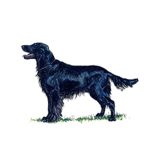
The Retriever (Flat Coated) is a large, athletic dog of medium build, standing between 22 and 24 inches tall for females and up to 24 inches for males. Their weight typically ranges from 55 to 80 pounds, with females being slightly lighter. The overall appearance is bright, active, and well-balanced, evoking an impression of power and raciness without any suggestion of heaviness or fragility.
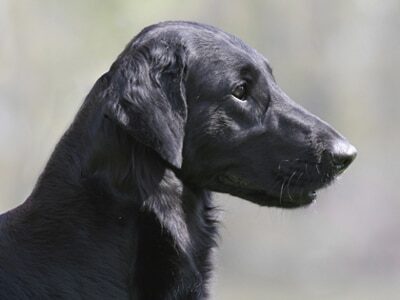
This breed features a distinctive long and sculpted head, with a moderately broad and flat skull. Their eyes exude intelligence, coming in dark brown or hazel, and their ears are small, positioned close to the head—traits that enhance their alert, clever expression. The jaws are long and strong, perfectly suited to carrying game, while the mouth features a precise scissor bite with sturdy teeth.
The Flat Coated Retriever’s neck is long and blends smoothly into well-laid shoulders, promoting ease of movement and the ability to track on the ground comfortably. Both the forequarters and hindquarters are muscular and straight, producing a free, flowing gait. The chest is deep and broad, and the body shows gentle ribbing that arches most at the center, creating a balanced silhouette. Rounded, well-arched feet and a straight, moderately short tail, gaily carried, are hallmarks of the breed.
One of the breed’s standout features is its dense, fine-to-medium textured coat, lying as flat as possible and characterized by ample feathering on the legs and tail. Only solid black or liver colors are accepted as breed standard, lending the dogs a classic, glossy appearance. Full furnishings mature as the dog ages, further completing their elegant look.
Temperament & Behavior
The Retriever (Flat Coated) is renowned for a consistently optimistic, friendly demeanor. Exuding confidence and warmth, they love to be around people and actively seek out interaction. At home, they are affectionate and dependable, often forming strong bonds with all family members, including children. Their enthusiasm for life is visible through their ever-wagging tail and desire to join in on all household activities.
This breed’s temperament makes them particularly well-suited to lively families or individuals who enjoy the companionship of an always-cheerful dog. Developed originally as a working gundog, they have a strong natural ability, demonstrating intelligence and a fine balance of power and athleticism. They often delight in retrieving games, both indoors and outside, and quickly become an integral part of family traditions and routines.
Flat Coated Retrievers are typically very social, getting along not just with people but also with other dogs. Their kind nature extends to most situations, but their friendliness means they are not natural guard dogs—guests will find them enthusiastic rather than wary. Their personality rarely leans toward stubbornness or aggression, which makes them a wise choice for homes that value gentle, engaging companions.
Challenges for owners may include managing their high energy levels and keeping pace with their desire for activity and attention. Without enough engagement, they can become bored or mischievous. Nonetheless, proper management and involvement in daily family life reveal this breed’s best qualities as loyal, positive partners both at home and outdoors.
Care & Living Needs for the Retriever (Flat Coated)
Flat Coated Retrievers require more than two hours of exercise each day, making them best suited for active families or owners with plenty of time and space. Activities like long walks, runs, outdoor games, and even dog sports meet both physical and mental needs. As large dogs, they are most comfortable in a spacious home—ideally a large house with access to a big garden where they can stretch their legs and play freely.
This breed is adaptable to either town or country living, as long as they have opportunities for ample exercise and daily engagement. Smaller homes or apartments are rarely suitable unless owners are committed to frequent outings and significant physical activity every day.
The Flat Coated Retriever’s medium-length, flat, and feathered coat does require regular care. Grooming more than once a week helps manage their shedding, maintains coat quality, and keeps them looking their best. Feathering on the legs and tail may need special attention to prevent tangles or matting. As moderate to heavy shedders, routine brushing also helps keep the home cleaner.
Mental stimulation is just as important as exercise for this intelligent breed. Training sessions, interactive games, and varied routines prevent boredom and encourage their natural abilities. These dogs respond best to positive reinforcement and consistent, patient handling. Households that lack the time or energy for daily exercise and interaction may find it difficult to meet this breed’s needs, so those preferring a more sedentary lifestyle may wish to consider other breeds.
Health & Common Issues
The dataset does not specify particular health tendencies for the Flat Coated Retriever. However, as a robust, athletic breed, their general health can be supported with a balanced diet, appropriate exercise, and regular veterinary check-ups. Keeping your Flat Coated Retriever at a healthy weight and providing varied activities can help maintain muscle condition and promote joint health.
Due to their medium-length feathered coat, regular grooming helps prevent skin and coat issues. Attention to oral health—such as routine dental care and check-ups—supports their strong jaws and teeth. Owners are encouraged to stay mindful of overall wellness and to seek veterinary advice for any concerns that arise over time.
Providing a consistent routine of exercise, enrichment, and preventive care goes a long way in helping Flat Coated Retrievers lead long, happy, and healthy lives. Commitment to responsible ownership includes keeping vaccinations up to date and monitoring for signs of discomfort or stress.
Official Breed Standard Summary
The official breed standard describes the Retriever (Flat Coated) as a medium-sized, bright, and active dog with an intelligent expression. Its balance of power and raciness ensures the breed is fit for both function and family life. Male retrievers are typically 23–24 inches tall, weighing 60–80 pounds, while females are slightly smaller at 22–23 inches and 55–70 pounds. The Flat Coated Retriever displays only solid black or liver coloring; any other shade or combination is not accepted.
The breed is known for its long, molded head and strong muzzle, well-set small ears, expressive eyes, and an excellent scissor bite. The neck is of reasonable length, enhancing their ability to seek and carry game, while well-muscled forequarters and hindquarters supply the athleticism needed for their working origin. Rounded, strong feet, and a straight, gaily carried tail define their elegant profile.
The coat is dense, fine to medium in texture, and lies as flat as possible, with distinctive feathering on the legs and tail. Elegant furnishings develop with maturity, adding to their sleek appearance. Movement is free, straight, and true, reflecting the breed’s origins as a gundog meant for long, active days in the field.
According to the breed standard, absolute soundness in health and movement is essential. Any departure from these guidelines should be viewed in proportion to how it could affect the dog’s well-being and functional abilities. Prospective owners should note that while the breed standard provides ranges for size and weight, individual dogs may sometimes fall outside these measurements.
Frequently Asked Questions about the Retriever (Flat Coated)
Is the Retriever (Flat Coated) good for first-time dog owners?
This breed’s eager-to-please attitude and friendly nature can suit committed first-time owners, especially those ready to provide regular exercise and training. Their high energy and need for daily involvement, however, may be a challenge for less active individuals.
How much exercise does a Retriever (Flat Coated) need daily?
Flat Coated Retrievers require more than two hours of physical activity each day. This includes walks, active play, and opportunities for running or retrieving games to keep them satisfied and well-behaved.
Is the Retriever (Flat Coated) good with children?
Known for their gentle and enthusiastic nature, this breed typically gets along wonderfully with children. Their playful demeanor makes them great playmates, but supervision is always recommended, especially around smaller kids due to the dog’s size and exuberance.
Can the Retriever (Flat Coated) live in an apartment?
While adaptable, this breed’s size and substantial exercise needs make apartment living challenging. They thrive best in large homes with access to a spacious garden or regular outdoor excursions.
How much grooming does a Retriever (Flat Coated) need?
The breed requires brushing more than once a week to manage shedding and keep their medium-length coat in good condition. Special attention should be paid to feathering to prevent tangles and mats.
Are there common health concerns in this breed?
The dataset does not outline specific health concerns for the breed. As with any dog, routine veterinary care, a balanced diet, and weight management contribute significantly to long-term well-being.


