
Retriever (Golden) – Breed Information, Traits & Complete Guide
The Retriever (Golden) stands out as one of the most beloved large dog breeds, celebrated for its gentle nature, intelligence, and striking golden coat. Whether you’re seeking an active family companion or a highly trainable partner for outdoor activities, this breed checks all the boxes for friendliness, adaptability, and loyalty. Ideal for households that value both affectionate companionship and an energetic lifestyle, the Retriever (Golden) offers a perfect balance between working ability and family-friendly demeanor.
Golden Retrievers excel in an array of roles, from hunting partners and obedience champions to emotional support companions and cornerstone family pets. Their well-earned reputation as trustworthy, eager-to-please dogs has made them a favorite among individuals and families alike, especially those with space to accommodate their exercise needs. This guide dives deep into their background, personality, care requirements, and what makes the Retriever (Golden) a standout among gundog breeds.
- Overview of the Retriever (Golden)
- Key Characteristics
- Appearance of the Retriever (Golden)
- Temperament & Behavior
- Care & Living Needs
- Health & Common Issues
- Official Breed Standard Summary
- Frequently Asked Questions
Group: Gundog
Size: Large
Exercise needs: More than 2 hours per day
Coat length: Medium
Grooming: More than once a week
Shedding: Yes
Lifespan: Over 10 years
Ideal home type: Large house
Town or country: Either
Garden needs: Large garden
Overview of the Retriever (Golden)
The Retriever (Golden) traces its roots to the late 19th century, when Lord Tweedmouth set out to develop the ideal gundog for retrieving game on land and in water. By crossing the now-extinct Tweed Water Spaniel with Wavy Coated Retrievers, and incorporating elements of the Irish Setter and Bloodhound, Lord Tweedmouth created a line of yellow retrievers perfectly suited to the Scottish Highlands’ diverse terrain. Over time, this breeding program cemented the defining characteristics of the modern Golden Retriever: a powerful build, keen intelligence, and an instinct for gentle retrieval.
The breed quickly grew in popularity, especially in the Border Counties, both for its working capabilities and pleasant temperament. Recognized officially as the “Golden Retriever” in 1920, this dog became a cherished companion for hunting enthusiasts and families alike. Notably, the historic Guisachan estate where these dogs originated remains a symbol of breed heritage, occasionally hosting gatherings for Golden Retriever enthusiasts.
Today, the Retriever (Golden) thrives in various environments, from urban homes with substantial gardens to rural properties. Owners who appreciate an active, affectionate dog that enjoys participating in family life—as well as outdoor adventures—will find the Golden a rewarding choice. The breed’s versatility makes it an excellent companion for those willing to invest time in physical activity and positive training.
Key Characteristics
- Energy level – Exceptionally high, requiring more than two hours of daily exercise to stay physically and mentally content.
- Trainability – Highly trainable and eager to please, with a willingness to learn new tasks and commands.
- Intelligence – Quick-witted and problem-solving, they thrive on structured learning and mental stimulation.
- Prey drive – Retains a strong retrieving instinct, making them natural chasers but generally gentle with what they carry.
- Social needs – Deeply social; they typically want to be close to people and can become bored or anxious if isolated.
- Compatibility with families and children – Renowned for their patience and gentle manner with children of all ages.
- Compatibility with other dogs – Usually friendly and tolerant, with good manners around other dogs when well-socialized.
- Guarding or watchdog tendencies – Not naturally suspicious; they are more likely to greet strangers with enthusiasm than act as a guard.
- Adaptability to city or country life – Adaptable provided space and exercise needs are met; they flourish in homes with access to a large garden.
- Best suited owner type – Active individuals or families who enjoy outdoor activities and can provide companionship and regular training.
- Typical daily routine – Enjoys walks, games of fetch, training sessions, and relaxing at home with the family.
Appearance of the Retriever (Golden)
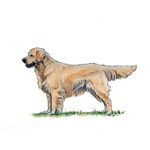
The Retriever (Golden) exudes balance, symmetry, and an unmistakable aura of strength paired with a friendly, gentle expression. With a stature considered large among dog breeds, males typically stand between 22 to 24 inches at the withers, while females are slightly smaller at 20 to 22 inches. Their powerful build is complemented by an athletic, level-moving frame designed for both stamina and agility.
The head is broad and well-chiseled, resting on a strong, muscular neck and leading into a well-developed muzzle. The nose is ideally black, while the dark brown eyes—set well apart—convey a soft, intelligent gaze. Medium-sized ears are set approximately at eye level and hang close to the cheeks. The strong jaws house a perfect scissor bite, demonstrating both the working origins and refined appearance of the breed.
Body proportions in the Retriever (Golden) are compact yet robust, with a deep chest, well-sprung ribs, and a straight, level topline. The forequarters display straight legs and solid bone, while muscular hindquarters and well-bent stifles provide the drive needed for active work. Their round, cat-like feet and straight tail, carried level with the back, contribute to their overall balanced look.
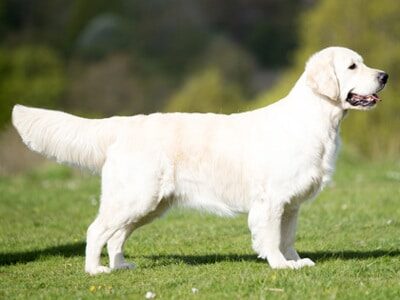
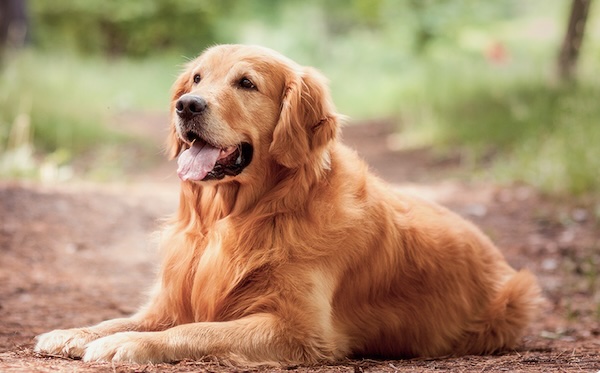
The breed’s double coat stands out as both striking and practical. The outer coat can be flat or wavy, adorned with good feathering, while the dense undercoat is water-resistant. Coat colors range from cream to deep gold—exclusive of red or mahogany—with a few white hairs on the chest being permissible. The impression on first glance is of an active, strong companion with a shimmering coat that defines the Golden Retriever’s iconic appeal.
Temperament & Behavior
Retriever (Golden) dogs are celebrated for their kindly, friendly, and confident temperament. They display a remarkably gentle nature, making them especially popular in homes with children or other pets. At home, their goal is often to be part of the action—whether lounging by your feet, joining in playtime, or quietly supervising family activities.
This breed’s intelligence and biddable nature make training both a joy and a necessity. Golden Retrievers are inherently eager to please, often excelling in obedience and informal tricks. They’re rarely stubborn and typically seek guidance and approval from their people. Thanks to their background as gundogs, they retain strong working instincts, which translate into seamless adaptability for various canine activities.
Social needs are high for the Retriever (Golden). They form strong bonds not only with their human families but also with other pets, particularly when introduced properly from a young age. While friendly to a fault—commonly greeting strangers as friends—this easygoing temperament means they’re not suited for watchdog or guarding duties.
In group environments, Golden Retrievers usually get along well with other dogs. Their temperament lends itself to harmony within a multi-pet household. It’s their combination of warmth, confidence, and intelligence that makes this breed so frequently recommended for families, therapy work, and as devoted lifelong companions.
Care & Living Needs for the Retriever (Golden)
Active by nature, the Retriever (Golden) requires more than two hours of stimulating exercise daily. Whether long walks, runs, swims, or energetic play, meeting their activity needs is crucial for both mental and physical health. Ideally, they live in a large house with access to a spacious, secure garden where they can roam, explore, and play safely.
Their adaptability allows them to live in either rural or urban settings, provided their substantial exercise requirements are met. Homes with large gardens offer the enrichment and space they crave. Apartment living is possible if owners are exceptionally committed to daily outings and exercise, but it is not the ideal setup for most Goldens.
With a medium-length double coat that can be flat or wavy, Golden Retrievers benefit from more than once-a-week grooming to stay tangle-free and minimize shedding. They do shed, so regular brushing is necessary—particularly during seasonal changes—to keep the coat healthy and household clean. Occasional baths and basic grooming tasks like nail trimming and ear checks complete their coat care routine.
Mental stimulation should be a daily fixture for this intelligent breed. Interactive games, positive training, and opportunities for problem-solving curb boredom and help prevent unwanted behaviors. The Retriever (Golden) thrives with owners who appreciate their enthusiasm for life and are able to devote time and attention to training and companionship.
This breed is not well-suited for people seeking a low-energy or highly independent dog. Those who are away from home for long hours or unable to provide ample exercise and company may find the Golden’s needs overwhelming. However, for individuals or families ready to engage with a devoted and active companion, life with a Retriever (Golden) can be hugely rewarding.
Health & Common Issues
The Retriever (Golden) is known for its robust constitution, often enjoying a lifespan in excess of ten years when properly cared for. Attention to general health maintenance—such as regular veterinary check-ups and dental hygiene—goes a long way in supporting their wellbeing throughout all life stages.
Without explicit health issues detailed for this breed, owners are still advised to monitor for the typical signs of discomfort or illness seen in large, active dogs. Ensuring an appropriate balance between exercise and rest helps protect joints and maintain a healthy weight. A nutritious diet, routine parasite prevention, and ongoing attention to coat and ear cleanliness are important facets of Golden Retriever care.
Good breeding practices focused on soundness and welfare can help ensure a happy, healthy dog. Prospective owners should be prepared for the grooming needs and energetic lifestyle, but by meeting the breed’s basic needs, the Retriever (Golden) can be a long-lived, active part of the family.
Official Breed Standard Summary
The official breed standard for the Retriever (Golden) serves as a comprehensive guideline, describing the ideal structure, temperament, and appearance expected in the breed. Soundness, health, and the ability to fulfill its traditional retrieving function are emphasized throughout the standard. Extremes or exaggerations in appearance are discouraged, with the breed’s welfare as the guiding principle behind each detail.
Physically, the breed should reflect symmetry, power, and a level, balanced outline. With a strong, muscular build, the ideal dog stands 56–61 cm at the withers for males and 51–56 cm for females, but actual size may vary. Each feature, from the kindly expression and powerful forequarters to the well-sprung ribs and muscular hindquarters, serves a purpose linked to the breed’s historic working role.
The coat must be flat or wavy with good feathering and a distinct, dense undercoat that resists water. Colors may range from cream to gold (never red or mahogany), with only minor white markings permitted on the chest. Movement should be powerful, with a long, free stride that avoids any hackneyed action, reflecting an efficient working gait.
Any departure from these guidelines is considered a fault, measured by its impact on health and working ability. The standard also notes that size is a guide rather than an absolute requirement. The focus remains on preserving the breed’s renowned temperament, soundness, and suitability as a working and family companion.
Frequently Asked Questions about the Retriever (Golden)
Is the Retriever (Golden) good for first-time dog owners?
Yes, the Retriever (Golden) is frequently recommended for first-time dog owners thanks to its biddable nature and eagerness to please. Consistent guidance, positive training, and attention to exercise needs help both novice and experienced owners succeed with this breed.
How much exercise does a Retriever (Golden) need daily?
This breed requires more than two hours of exercise each day to remain happy and healthy. Activities can include walks, play sessions, swimming, and training exercises that engage both body and mind.
Is the Retriever (Golden) good with children?
Known for their gentle, patient, and affectionate disposition, Golden Retrievers are among the best breeds for families with children. They typically enjoy playing and participating in family activities, making them a reliable companion for kids.
Can the Retriever (Golden) live in an apartment?
While it is possible, apartment living is not ideal for the Retriever (Golden) unless owners are fully committed to meeting its extensive exercise and mental stimulation needs. Access to a garden or regular outdoor adventures is highly recommended.
How much grooming does a Retriever (Golden) need?
Regular grooming—at least a few times per week—is important due to their medium-length, shedding coat. Routine brushing helps manage loose hair, prevent tangles, and maintain the healthy appearance for which the breed is known.
Are there common health concerns in this breed?
No specific health concerns are highlighted for the Retriever (Golden) here, but like all breeds, regular veterinary care, weight management, and preventative maintenance lead to best long-term health. Responsible breeding and attentive ownership are key factors in supporting wellbeing.


