
Spaniel (Field) – Breed Information, Traits & Complete Guide
The Spaniel (Field) is a medium-sized, athletic dog originally developed for work in the countryside. Renowned for its docile and sensitive nature, this breed makes a steadfast companion for those seeking a loyal partner for rural living or field activities. While it carries a sporting legacy as a gundog, it adapts equally well as a family dog for active households able to meet its substantial exercise and mental stimulation needs.

This breed appeals particularly to experienced dog owners or individuals with a passion for the outdoors who value a companion as capable in the field as it is gentle at home. With its glossy, feathered coat, keen intelligence, and deep-rooted desire to work, the Spaniel (Field) is a distinct choice for those drawn to classic gundog breeds and willing to provide the environment and engagement it thrives on.
- Overview of the Spaniel (Field)
- Key Characteristics
- Appearance of the Spaniel (Field)
- Temperament & Behavior
- Care & Living Needs
- Health & Common Issues
- Official Breed Standard Summary
- Frequently Asked Questions
Group: Gundog
Size: Medium
Exercise needs: More than 2 hours per day
Coat length: Medium
Grooming: More than once a week
Shedding: Yes
Lifespan: Over 10 years
Ideal home type: Small house
Town or country: Country
Garden needs: Large garden
Overview of the Spaniel (Field)
The Spaniel (Field) traces its roots to 19th-century Britain, where the term “field spaniel” once described all land spaniels before breeds became more clearly defined by size and color. This breed’s heritage includes influences from Sussex Spaniels, Springer Spaniels, and even Basset Hounds, making it a unique blend of qualities suited for sporting and rough shooting. Its solid coloring historically distinguished it from other spaniels, with liver and black shades being the most common today and some roan coats permitted.
A vulnerable native breed, the Spaniel (Field) faced significant declines in population through the twentieth century, at times with annual registrations in the UK dropping to fewer than 10 dogs. Thanks to the dedication of breed enthusiasts and careful breeding programs, the breed has survived, retaining its noble stature and working abilities. This history has imbued the modern Spaniel (Field) with both resilience and a loyal following among hunters and rural dwellers.
The breed continues to shine as both a working gundog and a devoted family member for those who value its active, sensitive nature and ability to adapt to rural environments. The Spaniel (Field) is most suitable for homes with ample outdoor space, where its energy and natural abilities can be fully expressed and enjoyed.
Key Characteristics
- Energy level – Highly energetic, thrives on having more than two hours of exercise each day.
- Trainability – Intelligent and eager, though can be somewhat independent requiring consistent, positive training.
- Intelligence – Demonstrates keen problem-solving abilities and learns routines quickly.
- Prey drive – Maintains a strong natural hunting instinct, suited to field work and retrieving games.
- Social needs – Enjoys companionship and can become bored or unhappy if left alone for extended periods.
- Compatibility with families and children – Generally good with children, especially in active households.
- Compatibility with other dogs – Gets along well with other dogs, especially when socialized from a young age.
- Guarding or watchdog tendencies – Not typically a guard dog; more likely to welcome than to warn.
- Adaptability to city or country life – Best suited for country living; does not adapt well to bustling city environments.
- Best suited owner type – Ideal for active owners, country dwellers, and those interested in field sports or long walks.
- Typical daily routine – Significant outdoor exercise, mental stimulation, interaction with people, and regular grooming.
Appearance of the Spaniel (Field)
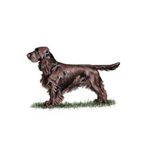
The Spaniel (Field) presents a well-balanced, noble appearance, demonstrating both the athleticism and grace synonymous with classic spaniels. Standing at approximately 18 inches at the shoulder and weighing between 40 to 55 pounds, this breed falls squarely into the medium-size range. Its overall silhouette is sporty and built for endurance, with a deep, developed chest and a muscular, level back contributing to its capacity for activity.
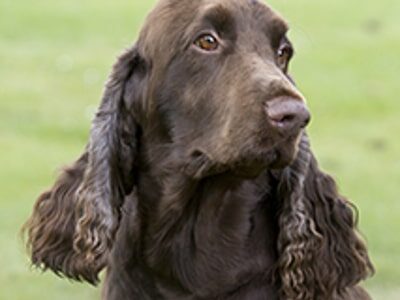
Its head offers an impression of refinement and character, topped with slightly raised eyebrows and framed by moderately long, feathered ears set low against the skull. The eyes are wide open yet almond-shaped, displaying a grave and gentle dark hazel expression. A well-chiseled muzzle, strong jaw with a perfect scissor bite, and a muscular neck add to the breed’s noble bearing and functional design for retrieving.
The Spaniel (Field)’s coat is distinctively long, flat, and silky with a lustrous gloss, never appearing curly, wiry, or short. Abundant feathering on the chest, underbody, and behind the legs creates a sweeping, weatherproof look, while the feet remain clean from hock to ground. Typical coat colors include black, black and tan, blue roan (and blue roan and tan), liver, liver and tan, liver roan, and liver roan and tan. While solid-colored varieties are most common, a touch of white or roan on the chest is acceptable in these dogs.
The tail, whether docked or undocked, is set low and carried no higher than the level of the back, covered with feathering and lively in motion. The gait is purposeful and unhurried, marked by a long stride and vigorous drive from the hindquarters, emphasizing the breed’s suitability for a day’s work in the field.
Temperament & Behavior
The Spaniel (Field) is celebrated for its unusually docile, active, and sensitive temperament, combined with an independent streak that sets it apart from other gundog breeds. At home, these dogs are gentle companions—steadfast and affectionate with their family members, including children. Their sensitive nature means they respond best to positive reinforcement and consistency.
Bred originally as part of the gundog group, their underlying drive to hunt and retrieve persists. While their heritage means they’re equipped for finding and collecting game, they also possess the flexibility and amiable temperament to fit into family life, provided their need for exercise and engagement is met. Social by nature, they thrive on inclusion and involvement in day-to-day activities with their people.
The breed generally harmonizes with other dogs, especially those with whom they’ve grown up or been well-socialized. Their easygoing demeanor can make them forgiving of children, though, as with all dogs, respectful supervision and guidance are needed. However, their independence and intelligence can sometimes evolve into stubbornness, so early and firm yet gentle training helps to prevent unwanted habits and ensures they understand household expectations.
While not naturally suited as guard dogs, Spaniel (Field)s make friends swiftly and rarely display territorial behaviors. This welcoming attitude, combined with their athleticism, makes them better companions and playmates than protectors.
Care & Living Needs for the Spaniel (Field)
The Spaniel (Field) is a robust and energetic breed, requiring more than two hours of exercise each day to maintain physical and mental well-being. Routine long walks, opportunities to run off-leash in a safe environment, and structured activities such as retrieving or scent games are crucial to satisfy the breed’s active disposition.
These dogs are ideally housed in rural or semi-rural settings, as they are not well-suited to apartment life or densely populated city environments. The ideal home provides a small house with access to a large, secure garden where the dog can roam and expend energy. Their working roots mean they benefit from outdoor space and the freedom to explore, chase, and use their natural instincts.
Grooming requirements are moderate to high. The long, silky coat should be brushed more than once a week to prevent tangling and matting, and to control shedding. Bathing can be performed as needed, but care should be given to thoroughly dry and brush the feathering. Periodic trimming of feet and feathered areas may be helpful to keep the dog comfortable and neat, especially after outdoor adventures.
Mental stimulation is just as important as physical exertion. This breed excels when given tasks, training, or problem-solving opportunities. Basic obedience, advanced training, and brain games help channel their alert minds constructively and reinforce the bond between dog and owner. Owners who do not have time for dedicated exercise and interaction may find this breed too demanding.
The Spaniel (Field) is not the right choice for those seeking a low-maintenance companion or for those with highly urban lifestyles. Prospective owners should be ready for a long-term commitment to the breed’s activity, grooming, and companionship needs.
Health & Common Issues
The Spaniel (Field) is noted for its robust constitution and, with proper care, can enjoy a lifespan of over ten years. While the dataset does not specify particular health concerns, regular veterinary checkups, attention to dental hygiene, and balanced exercise are recommended to keep these dogs in optimal health throughout their lives.
The breed’s moderate build and athleticism contribute to its physical soundness. Care should be taken to avoid excessive weight gain, especially given the breed’s hearty appetite and love of exercise. Maintaining joint health through regular activity, alongside controlled growth in puppies, helps prevent common issues associated with active breeds.
Eye and ear cleanliness are also important, especially because of the breed’s feathered ears and tendency to enjoy the outdoors. Routine inspection and gentle cleaning can help to prevent infections. The weather-resistant, dense coat also benefits from regular grooming to spot hidden parasites or skin irritation early.
Official Breed Standard Summary
The official breed standard defines the Spaniel (Field) as a well-balanced, noble dog built for both activity and endurance. This guideline serves as a template for ideal characteristics, focusing on soundness in structure and temperament, as well as proper coloration. Absolute soundness is considered essential to preserve the breed’s function as an active sporting dog.
Acceptable sizes for the breed hover around 46 centimeters (18 inches) at the shoulder, with a weight range of 18–25 kilograms (40–55 pounds). Their long, flat, and glossy coat comes in an array of colors: black, black and tan, blue roan (with or without tan), liver, liver and tan, and liver roan (with or without tan). For solid-colored dogs, some white or roan on the chest is allowed, while other color combinations are considered outside the standard.
The Spaniel (Field) moves with a long, unhurried stride and pronounced drive from the rear, ensuring they are fit for a day’s work in the field—short or restricted motions are considered faults. Proper coat texture is flat and silky, with dense feathering, never woolly or curly. When displaying this breed, animals must not possess features or exaggerations that compromise health or working ability, and breeders are encouraged to avoid such traits.
This standard serves as a reference for breeders and judges, outlining the proportions, temperament, and physical traits defining the Spaniel (Field). While it offers guidelines on size and color, slight variations may occur, and minor departures from the ideal should be considered in relation to their effect on the breed’s health and functional purpose.
Frequently Asked Questions about the Spaniel (Field)
Is the Spaniel (Field) good for first-time dog owners?
While friendly and affectionate, the Spaniel (Field) is best suited to owners with some dog ownership experience or those prepared to commit to its high exercise and training needs. Its sensitive and sometimes independent nature benefits from a confident, consistent handler.
How much exercise does a Spaniel (Field) need daily?
This breed requires more than two hours of exercise every day. Activities should include long walks, play sessions, and, if possible, tasks or games that engage their mind and natural retrieving instincts.
Is the Spaniel (Field) good with children?
The Spaniel (Field) generally enjoys the company of children and integrates well into active families. As with any dog, early socialization and supervision help encourage positive interactions.
Can the Spaniel (Field) live in an apartment?
This breed is not well-suited to apartment living or highly urbanized environments. It thrives best in country settings with access to ample outdoor space and a large garden.
How much grooming does a Spaniel (Field) need?
Grooming should be performed more than once weekly due to the breed’s long, feathered coat, which is prone to tangling and shedding. Regular brushing and occasional trims keep the coat healthy and comfortable.
Are there common health concerns in this breed?
No specific health issues are highlighted for the Spaniel (Field) based on available information. Good care practices—including regular veterinary visits, proper exercise, and routine grooming—help ensure a healthy, long-lived companion.


