
What Are the Traits and Care Tips for Australian Terriers?
The Australian Terrier is a spirited, small-sized dog with a rich heritage as a working breed. Compact and rugged, this terrier was bred for both companionship and utility, thriving in environments where its lively demeanor and brave heart could shine. For people seeking a dedicated companion who is happy in both city apartments and countryside homes, the Australian Terrier’s adaptable nature and affectionate loyalty make it an appealing choice.
This breed fits well with families, singles, and older owners who want an alert yet friendly dog. Its even temperament, combined with a notable eagerness to please, means the Australian Terrier excels as a companion while retaining the drive and tenacity of its working roots. Whether rooting out vermin or curling up at your feet, the Australian Terrier brings energy, character, and heart to the household.
- Overview of the Australian Terrier
- Key Characteristics
- Appearance of the Australian Terrier
- Temperament & Behavior
- Care & Living Needs
- Health & Common Issues
- Official Breed Standard Summary
- Frequently Asked Questions
Group: Terrier
Size: Small
Exercise needs: Up to 1 hour per day
Coat length: Medium
Grooming: More than once a week
Shedding: Yes
Lifespan: Over 12 years
Ideal home type: Flat/ Apartment
Town or country: Either
Garden needs: Small/ medium garden
Overview of the Australian Terrier
The Australian Terrier stands out as one of the earliest terrier breeds developed in Australia, shaped by necessity and a pioneering spirit. Early settlers brought various British terriers to the continent in the 19th century, selectively breeding them for resilience and versatility. Influences from breeds such as the Scottish Terrier, Skye Terrier, and Cairn Terrier helped establish the Australian Terrier’s distinctive look and talents.
Originally tasked with controlling rodents and other pests on farms and homesteads, the Australian Terrier quickly became indispensable to settlers. Its keen senses, toughness, and willingness to take on challenging tasks secured its reputation as both a valuable worker and steadfast companion.
Modern Australian Terriers continue to balance these dual roles. They thrive in an active family environment, suit first-time dog owners seeking an adaptable and loyal pet, and fit into a variety of living situations. Whether in urban apartments or rural settings with a small to medium garden, this breed’s flexible temperament and moderate exercise needs make it a strong candidate for a diverse range of households.
Key Characteristics
- Energy level – Lively and alert, but content with moderate daily activity.
- Trainability – Eager to please and relatively easy to train, especially with positive reinforcement.
- Intelligence – Quick-witted and observant, often picking up new commands with minimal repetition.
- Prey drive – Strong instinct for pursuing rodents and small vermin, a nod to its working ancestry.
- Social needs – Enjoys the company of people and benefits from regular interaction with family members.
- Compatibility with families and children – Generally gentle and affectionate with children when socialized properly.
- Compatibility with other dogs – Can get along with other dogs, but early socialization is advised.
- Guarding or watchdog tendencies – Vigilant and brave, often acting as an efficient little watchdog without being aggressive.
- Adaptability to city or country life – Handles apartment living or rural homes with ease, provided exercise needs are met.
- Best suited owner type – Singles, couples, and families who can provide engagement and moderate activity.
- Typical daily routine – Morning and evening walks, indoor playtime, and plenty of companionship throughout the day.
Appearance of the Australian Terrier
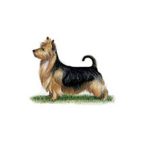
The Australian Terrier is a sturdy, small dog, distinguished by its longer body-to-height ratio and its unmistakably rough, weatherproof coat. Typically standing about 10 inches at the withers and weighing around 14 pounds, the breed gives an impression of substance and confidence wrapped in a compact package. Its build is solid yet not bulky, offering a perfect blend of agility and strength that speaks to its history as a working farm dog.
The head of an Australian Terrier is elongated, with a flat skull and a strong, equally proportioned muzzle. One of the breed’s more charming traits is its soft, silky ‘top-knot’ that sets off the sharp, alert expression in its small, dark brown eyes. Ears are small, upright, and pointed, free from long hair, contributing to the breed’s attentive appearance. A strong jaw line and scissor bite reflect the dog’s practical origins, where a robust mouth was essential for its vermin-hunting duties.
This terrier’s double coat is a notable feature, consisting of a harsh, straight outer coat layered over a softer undercoat, both providing protection and a scruffy appeal. The ruff of longer fur around the neck and breastbone emphasizes its rugged look. Color options recognized by the breed standard include Blue & Tan, Red, Sandy, and Steel Blue & Tan. The breed’s tail, whether docked or natural, is carried high and upright, adding to its animated profile.
Sound movement is important in this breed, with a free, springy gait and parallel movement of limbs when viewed from any angle. Small, well-padded feet and strong, straight legs contribute to an efficient stride, ensuring the Australian Terrier is as functional as it is appealing.
Temperament & Behavior
The Australian Terrier brings together all the hallmarks of a robust working terrier: enthusiasm, courage, and a persistent nature. Despite a long history as a vermin hunter, this breed’s character today balances alertness with an even temperament. Possessing an extroverted disposition, Australian Terriers tend to be friendly and make quick friends with visitors and family alike.
This terrier is known for its loyalty and strong desire to please, making it a pleasure to train and live with. At home, the breed is obedient and sociable, thriving when included in daily family life. While not inherently aggressive, its courage is clear in situations where it feels the need to defend itself or its loved ones, displaying a readiness to respond when approached by unfamiliar animals or sounds.
Dog owners will appreciate this breed’s flexible nature—it adjusts equally well to bustling households with children or quieter homes with adults. Marked by a historical need to stand its ground against pests, the Australian Terrier retains a high prey drive, so early socialization with other pets is helpful, especially with small furry companions. The breed’s tendency to vocalize and alert its people makes it a keen, effective little watchdog.
Keeping the Australian Terrier stimulated—physically and mentally—brings out its best traits. A well-socialized and well-exercised dog typically gets along harmoniously with people and other dogs, consistently showing the cheerful, energetic nature terriers are loved for.
Care & Living Needs for the Australian Terrier
This breed is relatively undemanding in its exercise requirements, usually thriving on up to one hour of activity daily. This can include walks, play sessions, or safe off-leash romps in a secure, small to medium garden. The Australian Terrier is adaptable to different environments, feeling equally at home in flats, apartments, or houses with outdoor space, as long as it receives enough attention and activity.
Grooming is manageable but more involved than some short-haired breeds. The medium-length, weather-resistant coat benefits from brushing or combing more than once a week to prevent mats and manage shedding. Bathing should be kept infrequent to maintain the coat’s texture, but routine checks and tidying around the feet and face keep the dog comfortable.
Because the breed is clever and quick to learn, training sessions and games that challenge its mind are important. Incorporating obedience, puzzle toys, or new tricks into their daily schedule keeps boredom at bay. These terriers excel with owners who blend affection, clear boundaries, and regular engagement.
The Australian Terrier is not ideal for those seeking a low-maintenance, low-energy dog or for households unable to provide regular companionship. Owners must be committed to social interaction and consistent mental and physical stimulation; otherwise, behavioral issues may develop.
Health & Common Issues
The dataset does not note any specific health issues associated with the Australian Terrier, suggesting they are generally a robust and long-lived breed. Responsible breeding and regular veterinary checks help to maintain this good health. As with any small breed, attention should be paid to balanced nutrition and maintaining healthy weight, especially to reduce stress on joints and the body as a whole.
Routine exercise and regular grooming routines contribute to the Australian Terrier’s wellbeing, ensuring muscles and coat stay in top condition. Scheduled dental care, ear cleaning, and claw trimming help prevent typical small-dog problems such as dental buildup or overgrown nails. Keeping watch for any changes in movement, appetite, or behavior will also support the overall health and longevity of the breed.
Official Breed Standard Summary
The official breed standard for the Australian Terrier outlines ideals covering all aspects of health, temperament, and structure. The breed is described as sound, sturdy, and longer in body than in height, with a harsh, untrimmed double coat that protects it from the elements. Special attention is given to ensuring no physical exaggerations detract from the dog’s wellbeing or utility, emphasizing the importance of overall soundness and function.
In terms of appearance, the Australian Terrier should have a flat skull, strong jaw, small erect ears, keen dark eyes, and a well-feathered ruff marking its neck and breastbone. The tail is set high and carried upright, complementing the breed’s lively posture. Accepted color variations include Blue & Tan, Red, Sandy, and Steel Blue & Tan; other combinations are considered unacceptable. The coat should be about two and a half inches long and is traditionally harsh and straight.
The standard notes the dog’s ideal height and weight but makes clear there is natural variation and that slight deviations do not disqualify a good example of the breed. Movement should be free and springy, driven by strong, well-muscled hindquarters. Feet must be small and well-padded for working on a variety of terrains. Any faults or departures from the guidelines are only considered significant if they affect health or soundness.
Prospective owners are advised that official measurements are guides, not strict limits. Animals should be healthy, fit for their function, and display all the qualities that make the Australian Terrier a cherished companion and versatile worker.
Frequently Asked Questions about the Australian Terrier
Is the Australian Terrier good for first-time dog owners?
Yes, the Australian Terrier can be an excellent choice for first-time owners. Its friendly, eager-to-please personality and manageable exercise needs suit various lifestyles, provided owners commit to regular interaction and mental stimulation.
How much exercise does an Australian Terrier need daily?
This breed typically requires up to one hour of daily exercise. Regular walks, playtime, and mental enrichment are enough to keep most Australian Terriers happy and healthy.
Is the Australian Terrier good with children?
The Australian Terrier is generally affectionate and gentle with children, especially when raised alongside them and appropriately socialized. As with any breed, supervision around young children is recommended.
Can the Australian Terrier live in an apartment?
Australian Terriers adapt well to apartment living as long as their need for daily exercise and social interaction is met. They don’t require large outdoor spaces but enjoy the chance to explore a small to medium garden if available.
How much grooming does an Australian Terrier need?
With its medium-length, harsh coat, the Australian Terrier benefits from brushing more than once a week. Shedding does occur, so regular grooming helps manage loose hair and keeps the coat healthy.
Are there common health concerns in this breed?
No major health issues are noted in the available information. The Australian Terrier is recognized as a generally robust and long-lived breed. Regular veterinary checkups, healthy diet, and weight management are recommended for optimal wellbeing.


